
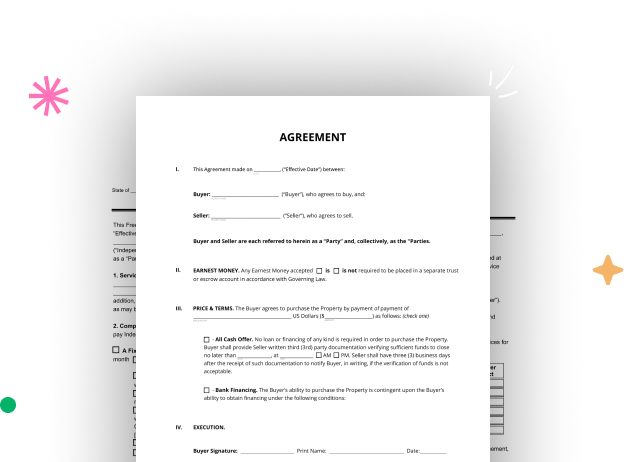
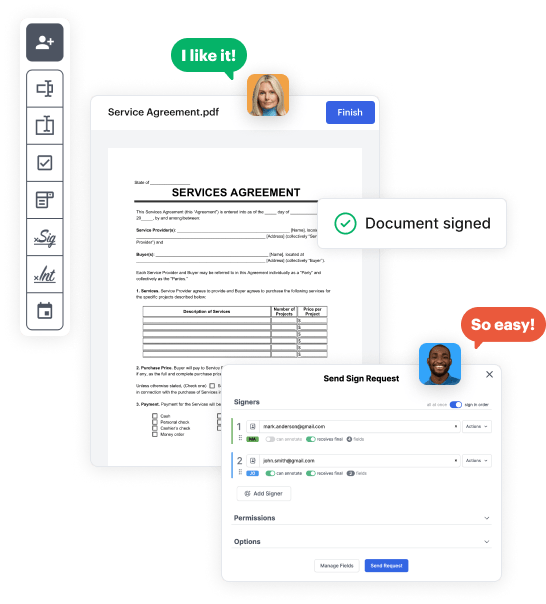
Create your Estate Management Template from scratch

Start Building Now
Title decoration

Here's how it works

01. Start with a blank Estate Management Template
Open the blank document in the editor, set the document view, and add extra pages if applicable.
02. Add and configure fillable fields
Use the top toolbar to insert fields like text and signature boxes, radio buttons, checkboxes, and more. Assign users to fields.
03. Distribute your form
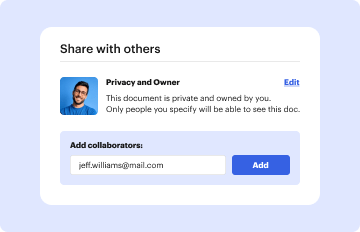
Share your Estate Management Template in seconds via email or a link. You can also download it, export it, or print it out.

Create Estate Management Template from scratch with these comprehensive guidelines

Form edit decoration

Step 1: Open DocHub and get going.

Start by creating a free DocHub account using any available sign-up method. If you already have one, simply log in.

Step 2: Register for a free 30-day trial.

Try out the whole collection of DocHub's pro tools by registering for a free 30-day trial of the Pro plan and proceed to craft your Estate Management Template.

Step 3: Start with a new blank doc.

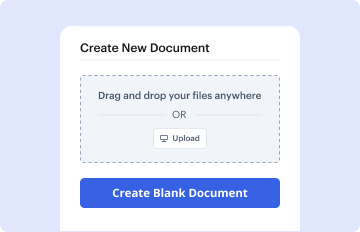
In your dashboard, select the New Document button > scroll down and hit Create Blank Document. You’ll be taken to the editor.

Step 4: Arrange the view of the document.

Use the Page Controls icon indicated by the arrow to toggle between different page views and layouts for more flexibility.

Step 5: Begin by inserting fields to create the dynamic Estate Management Template.

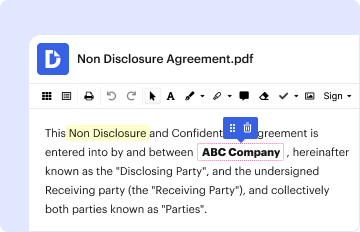
Use the top toolbar to add document fields. Add and format text boxes, the signature block (if applicable), insert images, etc.

Step 6: Prepare and configure the incorporated fields.

Configure the fillable areas you incorporated per your chosen layout. Personalize the size, font, and alignment to make sure the form is easy to use and polished.

Step 7: Finalize and share your document.

Save the completed copy in DocHub or in platforms like Google Drive or Dropbox, or design a new Estate Management Template. Distribute your form via email or get a public link to reach more people.


be ready to get more

Build your Estate Management Template in minutes

Start creating now

Got questions?

We have answers to the most popular questions from our customers. If you can't find an answer to your question, please contact us.
Contact us
Property Management Spreadsheet - Excel Manage finances for multiple properties with this Excel template. The spreadsheet lists rental income and expenses so that you can quickly view which properties are most profitable.
Tips for Writing Organizational Change Announcements Clarity is Key: Use simple, straightforward language to avoid misunderstandings. Clearly state the change, its rationale, and its impact. Highlight the Positive: Emphasize the benefits of the change to build support and reduce resistance.
I would like to take the time to introduce myself as the new Property Manager of [enter address]. Your current lease and payment terms will remain in effect. However, all payments, maintenance requests, and correspondence needs to be sent to the address listed at the top of this letter.
How to write a letter of intent for a job Start with a greeting or salutation. Introduce yourself and why youre writing. Describe your relevant skills and experience. Provide a call-to-action. Close the letter professionally.
Estate management includes matters such as cleaning and repairs of communal areas, boundary issues, grounds maintenance, parking, and the general use of communal areas. If you have concerns about any element of estate management: Consult your tenancy agreement or lease to find out who is responsible for the issue.
be ready to get more

Build your Estate Management Template in minutes

Start creating now

Related Q&A to Estate Management Template

What to Include in a Property Manager Introduction Letter New Management Introduction. New Management Company Contact Information and Details. Specific Designated Person of Contact. How to Pay Rent. How to Submit Maintenance Requests.
Contents of Management Letters The management letter must include: docHub weaknesses and areas for improvement identified in the current engagement. repeat issues - matters identified in previous years that management has not yet resolved satisfactorily. Repeat issues must be appropriately labelled.


