Create your Estate Closure Document from scratch

Start Building Now
Title decoration

Here's how it works

01. Start with a blank Estate Closure Document
Open the blank document in the editor, set the document view, and add extra pages if applicable.
02. Add and configure fillable fields
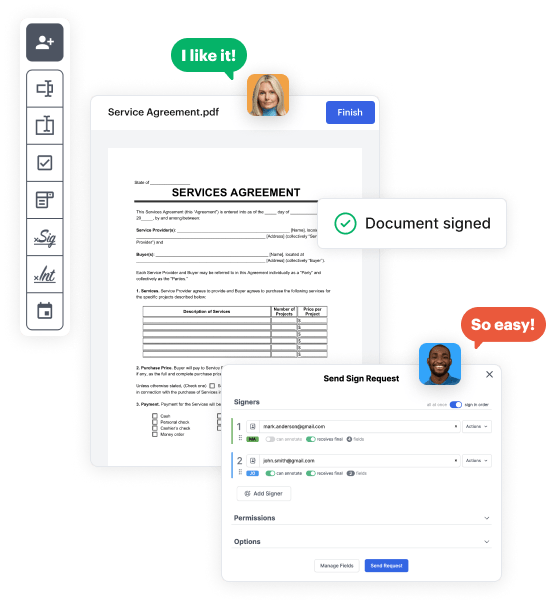
Use the top toolbar to insert fields like text and signature boxes, radio buttons, checkboxes, and more. Assign users to fields.
03. Distribute your form
Share your Estate Closure Document in seconds via email or a link. You can also download it, export it, or print it out.

Create Estate Closure Document from the ground up by following these detailed instructions
Form edit decoration

Step 1: Start off by launching DocHub.

Start by signing up for a free DocHub account using any offered sign-up method. Just log in if you already have one.

Step 2: Sign up for a free 30-day trial.

Try out the whole collection of DocHub's advanced features by registering for a free 30-day trial of the Pro plan and proceed to craft your Estate Closure Document.

Step 3: Start with a new blank form.

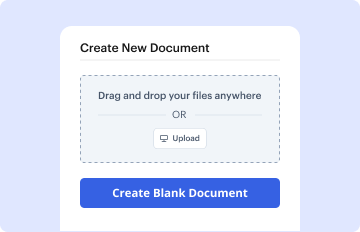
In your dashboard, click the New Document button > scroll down and choose to Create Blank Document. You’ll be redirected to the editor.

Step 4: Arrange the view of the document.

Use the Page Controls icon indicated by the arrow to toggle between two page views and layouts for more flexibility.

Step 5: Begin by inserting fields to design the dynamic Estate Closure Document.

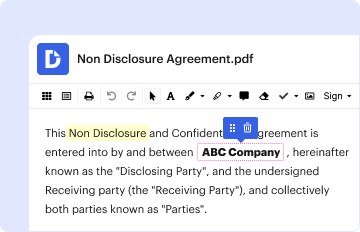
Navigate through the top toolbar to add document fields. Insert and format text boxes, the signature block (if applicable), add photos, and other elements.

Step 6: Prepare and customize the added fields.

Arrange the fields you added based on your chosen layout. Customize the size, font, and alignment to make sure the form is straightforward and professional.

Step 7: Finalize and share your template.

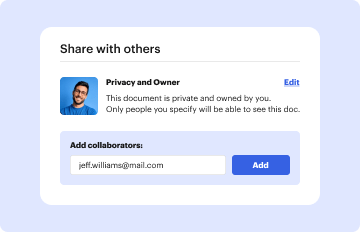
Save the finalized copy in DocHub or in platforms like Google Drive or Dropbox, or create a new Estate Closure Document. Distribute your form via email or utilize a public link to reach more people.


be ready to get more

Build your Estate Closure Document in minutes

Start creating now

Got questions?

We have answers to the most popular questions from our customers. If you can't find an answer to your question, please contact us.
Contact us
A closing statement or credit agreement is provided with any type of loan, often with the application itself. A sellers Closing Disclosure is prepared by a settlement agent and lists all commissions and costs in addition to the net total to be paid to the seller.
Deed: The deed is the document transferring title to the property from the seller to the buyer.
Final Settlement (or Closing) Statement: A financial disclosure giving an accounting of all funds received and disbursed at loan closing. Also known as HUD 1 Closing Statement.
List of closing documents Closing disclosure. The closing disclosure contains all of the details of your mortgage, including an itemized list of closing costs. Proof of homeowners insurance. Loan application. Mortgage or deed of trust. Note. Deed. Affidavit of title. Title insurance policy.
The closing statement, also called a closing disclosure or settlement statement, is essentially a comprehensive list of every expense that the buyer and/or seller must pay to complete the purchase of a home.
be ready to get more

Build your Estate Closure Document in minutes

Start creating now

Related Q&A to Estate Closure Document

While each closing document serves a specific purpose, one of the most important documents at closing is the deed. The deed is a legal document that transfers ownership of the property from the seller to the buyer. It is essential because it establishes the buyers legal right to the property.
CLOSING THE ESTATE: FORM 207.42 must be prepared and executed by the fiduciary and the attorney and filed after 7 months or by the end of 2 years from the date of fiduciary appointment. RELEASES from all beneficiaries of the estate must be executed and filed at this time, if not already filed.
Documents listed in the closing checklist should include any documents that will be signed and delivered at closing, including the purchase agreement, bill of sale, consents and resolutions, assignments, signature packets, and, when applicable, ancillary documents such as employment agreements, leases, releases, and

Additional resources on building your forms