Create your Equipment Lease Contract from scratch

Start Building Now
Title decoration

Here's how it works

01. Start with a blank Equipment Lease Contract
Open the blank document in the editor, set the document view, and add extra pages if applicable.
02. Add and configure fillable fields
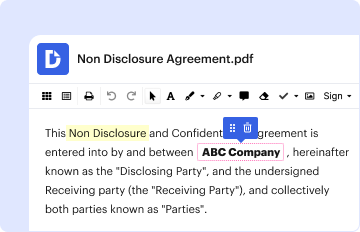
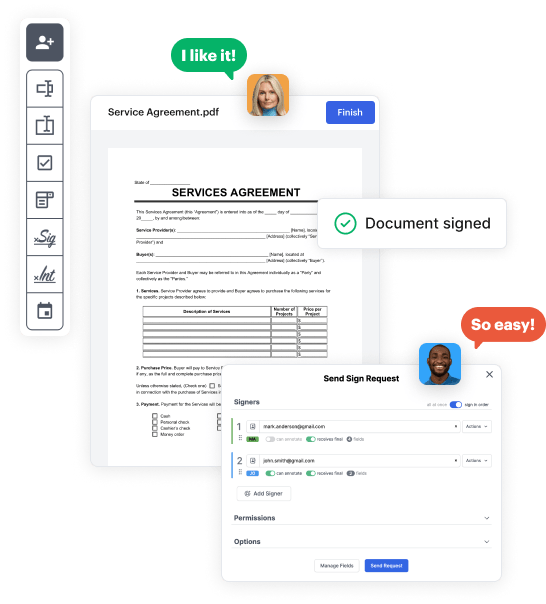
Use the top toolbar to insert fields like text and signature boxes, radio buttons, checkboxes, and more. Assign users to fields.
03. Distribute your form
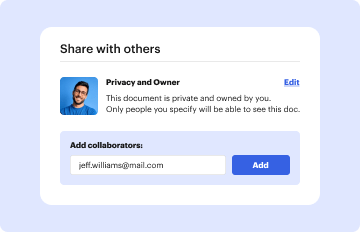
Share your Equipment Lease Contract in seconds via email or a link. You can also download it, export it, or print it out.

Create your Equipment Lease Contract in a matter of minutes

Form edit decoration

Step 1: Access DocHub to build your Equipment Lease Contract.

Begin by logging into your DocHub account. Try out the pro DocHub functionality free for 30 days.

Step 2: Go to the dashboard.

Once signed in, head to the DocHub dashboard. This is where you'll create your forms and manage your document workflow.

Step 3: Design the Equipment Lease Contract.

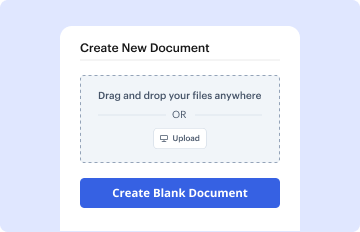
Click on New Document and choose Create Blank Document to be taken to the form builder.

Step 4: Set up the form layout.

Use the DocHub features to insert and configure form fields like text areas, signature boxes, images, and others to your form.

Step 5: Insert text and titles.

Add needed text, such as questions or instructions, using the text field to guide the users in your form.

Step 6: Customize field settings.

Modify the properties of each field, such as making them mandatory or arranging them according to the data you plan to collect. Assign recipients if applicable.

Step 7: Review and save.

After you’ve managed to design the Equipment Lease Contract, make a final review of your form. Then, save the form within DocHub, send it to your selected location, or distribute it via a link or email.


be ready to get more

Build your Equipment Lease Contract in minutes

Start creating now

Got questions?

We have answers to the most popular questions from our customers. If you can't find an answer to your question, please contact us.
Contact us
Leasing companies with operating lease models make money through three streams: lease establishment fees, re-selling returned assets on the secondary market, and extended lease payments. A lessor invests upfront in the devices they lease back to customers, and they legally own them.
An equipment lease is an agreement in which one party (the lessor) gives the other party (the lessee) the right to have and use (but not own) the lessors equipment for a certain period of time.
An equipment lease agreement is a contractual agreement where the lessor, who is the owner of the equipment, allows the lessee to use the equipment for a specified period in exchange for periodic payments. The subject of the lease may be vehicles, factory machines, or any other equipment.
The following are examples of how an equipment operating lease would be structured. Fair market value lease With a fair market value lease, you make payments and use the equipment during the lease. At the end of the lease, you have the option to buy the equipment at fair market value, return it, or renew the lease.
Leasing capital equipment: Lowers upfront costs, compared to buying equipment outright. Reduces the chance that your company gets stuck with obsolete equipment, if your contract specifies upgrades. Transfers the cost of equipment maintenance to the leasing company, again ing to the terms of your contract.
be ready to get more

Build your Equipment Lease Contract in minutes

Start creating now

Related Q&A to Equipment Lease Contract

Monthly Lease Payments Its determined by a combination of the equipment price, your down payment, and the lease term, type, and interest rate. Missing lease payments could result in the manufacturer or leasing company taking possession of the equipment, so its important you ensure you can afford these payments.
Lease extensions, renewals, lease rolls, equipment upgrades, and other forms of continued payments are the most common source of lessor profitability. Leasing companies accomplish this goal through carefully crafted contract provisions.

Additional resources on building your forms