Create your Domestic Violence Prevention Form from scratch

Start Building Now
Title decoration

Here's how it works

01. Start with a blank Domestic Violence Prevention Form
Open the blank document in the editor, set the document view, and add extra pages if applicable.
02. Add and configure fillable fields
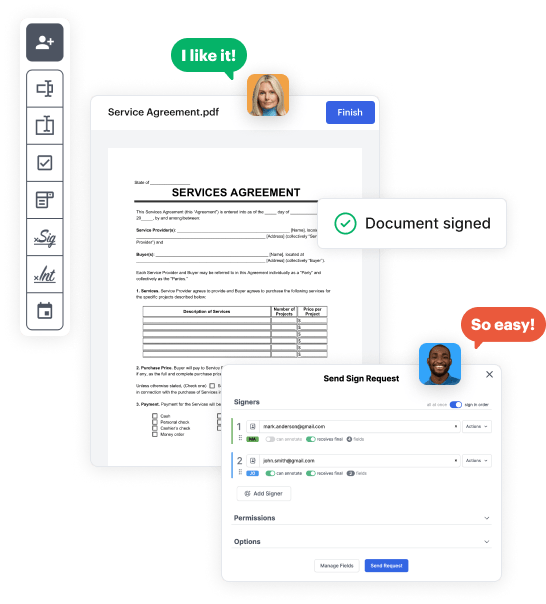
Use the top toolbar to insert fields like text and signature boxes, radio buttons, checkboxes, and more. Assign users to fields.
03. Distribute your form
Share your Domestic Violence Prevention Form in seconds via email or a link. You can also download it, export it, or print it out.

A detailed guide on how to craft your Domestic Violence Prevention Form online
Form edit decoration

Step 1: Start with DocHub's free trial.

Navigate to the DocHub website and sign up for the free trial. This gives you access to every feature you’ll need to create your Domestic Violence Prevention Form with no upfront cost.

Step 2: Navigate to your dashboard.

Log in to your DocHub account and proceed to the dashboard.

Step 3: Initiate a new document.

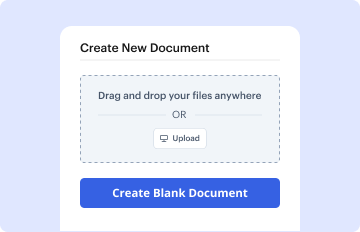
Hit New Document in your dashboard, and select Create Blank Document to create your Domestic Violence Prevention Form from the ground up.

Step 4: Utilize editing tools.

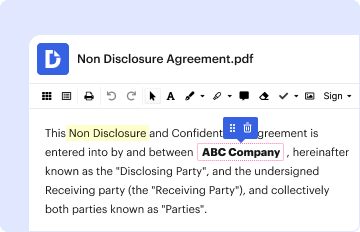
Add different fields such as text boxes, radio buttons, icons, signatures, etc. Arrange these elements to match the layout of your form and assign them to recipients if needed.

Step 5: Modify the form layout.

Rearrange your form in seconds by adding, moving, deleting, or combining pages with just a few clicks.

Step 6: Create the Domestic Violence Prevention Form template.

Convert your newly crafted form into a template if you need to send multiple copies of the same document repeatedly.

Step 7: Save, export, or distribute the form.

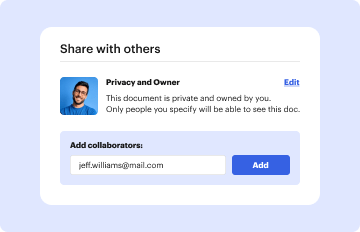
Send the form via email, distribute a public link, or even post it online if you wish to collect responses from more recipients.

be ready to get more

Build your Domestic Violence Prevention Form in minutes

Start creating now

Got questions?

We have answers to the most popular questions from our customers. If you can't find an answer to your question, please contact us.
Contact us
Proving Harm Your testimony that the respondent harmed you. The testimony of any witnesses, such as a family member, who saw the respondent harm you. A police report that documents physical harm you sustained as well as any history of repeat violence. Medical records reflecting treatment for harm done.
An Order of Protection issued in Family Court will not show up on a criminal background check, since cases in Family Court are not criminal cases. However, an Order of Protection issued in connection with a criminal case is a public record, and can be discovered in a criminal background check.
Filing a Motion for Dismissal Submitting a motion for dismissal involves presenting a formal request to the court, detailing the grounds for dismissal. The petition must include the date, the rationale for wanting the order of protection dismissed, and the names of each individual involved.
A permanent order of protection is not really permanent. It typically is for one year, but sometimes expires after 5 years. If There Is an Order of Protection Against Me, Will I Have a Criminal Record? An order of protection alone will not cause you to have a criminal history.
Promoting healthy, respectful, and nonviolent relationships and communities can help reduce the occurrence of intimate partner violence. It also can prevent the harmful and long-lasting effects of intimate partner violence on individuals, families, and communities.
be ready to get more

Build your Domestic Violence Prevention Form in minutes

Start creating now

Related Q&A to Domestic Violence Prevention Form

A Family Court order of protection can last up to two years. Under aggravating circumstances, a family court order may last up to 5 years. A final order of protection from Criminal Court can last up to 8 years depending on the matter or what crime is committed.
It is a legal document in which a Judge orders someone to follow specific conditions of behavior that is, tells someone things that they must or must not do. Police can make immediate arrests if they have reason to believe those conditions have been violated.

Additional resources on building your forms