
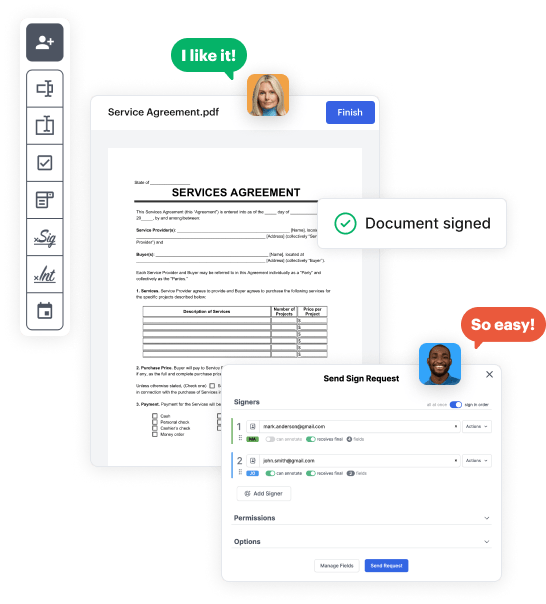
Create your Domestic Abuse Prevention Form from scratch

Start Building Now
Title decoration

Here's how it works

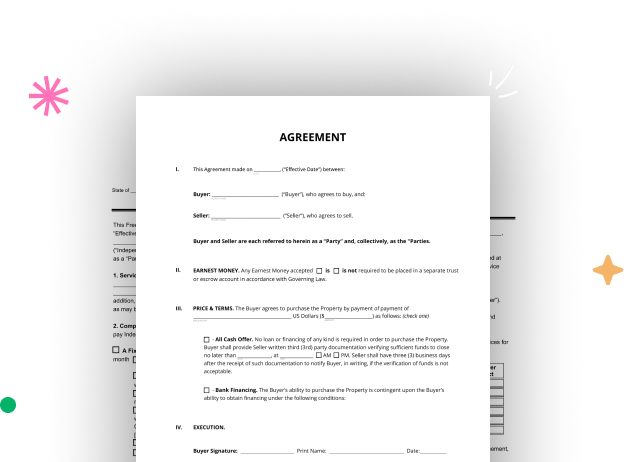
01. Start with a blank Domestic Abuse Prevention Form
Open the blank document in the editor, set the document view, and add extra pages if applicable.
02. Add and configure fillable fields
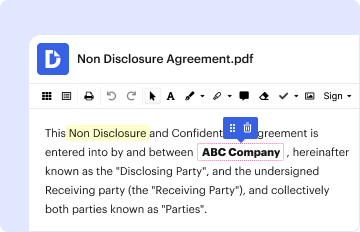
Use the top toolbar to insert fields like text and signature boxes, radio buttons, checkboxes, and more. Assign users to fields.
03. Distribute your form
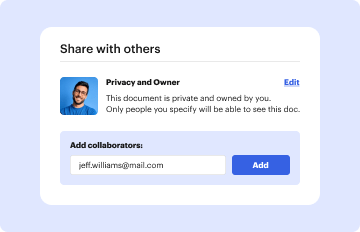
Share your Domestic Abuse Prevention Form in seconds via email or a link. You can also download it, export it, or print it out.

Create Domestic Abuse Prevention Form from scratch with these step-by-step instructions

Form edit decoration

Step 1: Get started with DocHub.

Begin by creating a free DocHub account using any offered sign-up method. If you already have one, simply log in.

Step 2: Sign up for a free 30-day trial.

Try out the complete suite of DocHub's advanced features by registering for a free 30-day trial of the Pro plan and proceed to build your Domestic Abuse Prevention Form.

Step 3: Build a new empty doc.

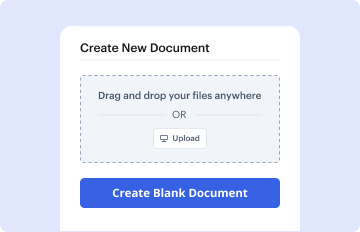
In your dashboard, hit the New Document button > scroll down and hit Create Blank Document. You will be taken to the editor.

Step 4: Organize the document’s view.

Use the Page Controls icon indicated by the arrow to switch between two page views and layouts for more convenience.

Step 5: Begin by inserting fields to design the dynamic Domestic Abuse Prevention Form.

Use the top toolbar to add document fields. Insert and arrange text boxes, the signature block (if applicable), embed images, etc.

Step 6: Prepare and configure the incorporated fields.

Arrange the fillable areas you incorporated per your desired layout. Customize the size, font, and alignment to make sure the form is easy to use and professional.

Step 7: Finalize and share your form.

Save the completed copy in DocHub or in platforms like Google Drive or Dropbox, or create a new Domestic Abuse Prevention Form. Share your form via email or use a public link to reach more people.


be ready to get more

Build your Domestic Abuse Prevention Form in minutes

Start creating now

Got questions?

We have answers to the most popular questions from our customers. If you can't find an answer to your question, please contact us.
Contact us
Domestic abuse is typically manifested as a pattern of abusive behavior toward an intimate partner in a dating or family relationship, where the abuser exerts power and control over the victim. Domestic abuse can be mental, physical, economic or sexual in nature.
Cultivate a respectful attitude toward women in your family and at your workplace. Avoid behaviors that demean or control women. When you are angry with your partner or children, respond with out hurting or humiliating them. Model a non-violent, respectful response to resolving conflicts in your family.
It can be physical, psychological, emotional, sexual, or financial. Anyone can be abused, including children, adults, and older people. People who are abused are at an increased risk of adverse effects such as depression and PTSD. The physical and mental effects of abuse are treated with medical care and talk therapy.
Domestic Violence Prevention Believe them. Listen to them without judgment. Offer support and encouragement. Help them develop a safety plan. Link them to resources that will help them leave their abuser.
Types of domestic abuse Psychological/emotional abuse: Includes name-calling, threats and manipulation, blaming you for the abuse or gaslighting you. Coercive control: When an abuser uses a pattern of behaviour over time to exert power and control. It is a criminal offence. Physical abuse: This isnt only hitting. Signs of domestic abuse - Refuge Refuge how-to-identify-abuse Refuge how-to-identify-abuse
be ready to get more

Build your Domestic Abuse Prevention Form in minutes

Start creating now

Related Q&A to Domestic Abuse Prevention Form

Domestic violence is a pattern of abusive behaviors that adults use to maintain power and control over their intimate partners, or former partners. People who abuse their partners use a variety of tactics to coerce, intimidate, threaten and frighten their victims. What is Domestic Violence? | Florida DCF Florida Department of Children and Families services abuse get-help Florida Department of Children and Families services abuse get-help
The Care and support statutory guidance identifies ten types of abuse, these are: Physical abuse. Domestic violence or abuse. Sexual abuse. Psychological or emotional abuse. Financial or material abuse. Modern slavery. Discriminatory abuse. Organisational or institutional abuse. Types and indicators of abuse: Safeguarding adults - SCIE Social Care Institute for Excellence adults introduction types-a Social Care Institute for Excellence adults introduction types-a
We define domestic abuse as an incident or pattern of incidents of controlling, coercive, threatening, degrading and violent behaviour, including sexual violence, in the majority of cases by a partner or ex-partner, but also by a family member or carer. It is very common. What is domestic abuse? - Womens Aid Womens Aid information-support Womens Aid information-support


