
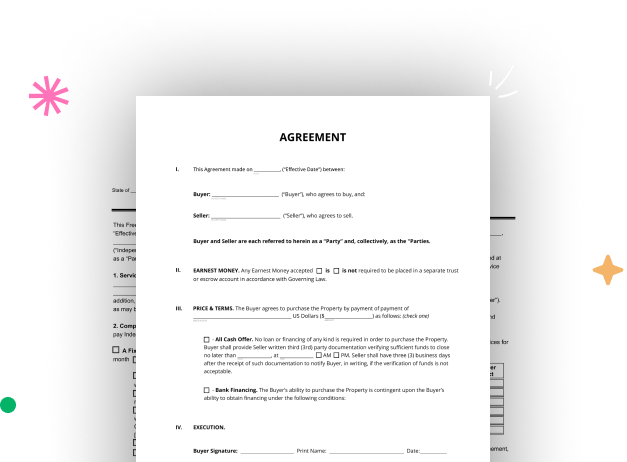
Create your Domestic Abuse Legal Form from scratch

Start Building Now
Title decoration

Here's how it works

01. Start with a blank Domestic Abuse Legal Form
Open the blank document in the editor, set the document view, and add extra pages if applicable.
02. Add and configure fillable fields
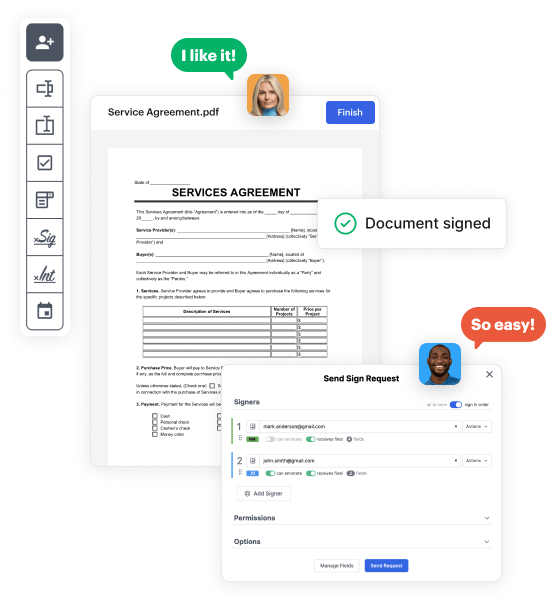
Use the top toolbar to insert fields like text and signature boxes, radio buttons, checkboxes, and more. Assign users to fields.
03. Distribute your form
Share your Domestic Abuse Legal Form in seconds via email or a link. You can also download it, export it, or print it out.

Create Domestic Abuse Legal Form from the ground up by following these comprehensive guidelines

Form edit decoration

Step 1: Get started with DocHub.

Begin by signing up for a free DocHub account using any offered sign-up method. Just log in if you already have one.

Step 2: Sign up for a 30-day free trial.

Try out the complete suite of DocHub's advanced features by registering for a free 30-day trial of the Pro plan and proceed to build your Domestic Abuse Legal Form.

Step 3: Add a new blank form.

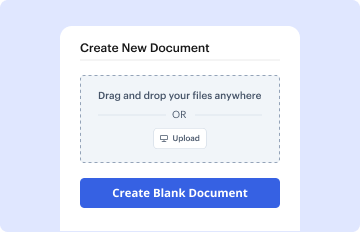
In your dashboard, hit the New Document button > scroll down and hit Create Blank Document. You’ll be taken to the editor.

Step 4: Organize the document’s layout.

Use the Page Controls icon indicated by the arrow to toggle between two page views and layouts for more flexibility.

Step 5: Start adding fields to create the dynamic Domestic Abuse Legal Form.

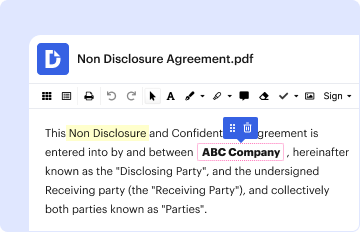
Use the top toolbar to add document fields. Add and format text boxes, the signature block (if applicable), insert images, etc.

Step 6: Prepare and customize the incorporated fields.

Configure the fields you incorporated per your desired layout. Customize each field's size, font, and alignment to ensure the form is straightforward and neat-looking.

Step 7: Finalize and share your form.

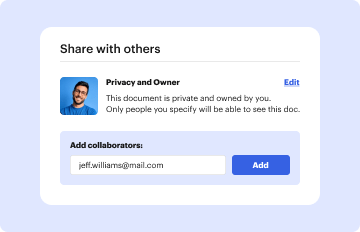
Save the finalized copy in DocHub or in platforms like Google Drive or Dropbox, or design a new Domestic Abuse Legal Form. Send out your form via email or use a public link to reach more people.


be ready to get more

Build your Domestic Abuse Legal Form in minutes

Start creating now

Got questions?

We have answers to the most popular questions from our customers. If you can't find an answer to your question, please contact us.
Contact us
Domestic abuse is typically manifested as a pattern of abusive behavior toward an intimate partner in a dating or family relationship, where the abuser exerts power and control over the victim. Domestic abuse can be mental, physical, economic or sexual in nature.
Some common examples of coercive behaviour are: Depriving you of basic needs, such as food. Monitoring your time. Monitoring you via online communication tools or spyware. Taking control over aspects of your everyday life, such as where you can go, who you can see, what you can wear and when you can sleep.
Under Clares Law you can: apply for information about your current or ex-partner because youre worried they may have a history of abuse and are a risk to you. request information about the current or ex-partner of a friend or relative because youre worried they might be at risk.
National Resource Center on Domestic Violence Through its key initiatives and special projects, NRCDV works to improve community response to domestic violence and, ultimately, prevent its occurrence.
Bill Title: Relates to establishing the crime of coercive control; provides that a person is guilty of coercive control when he or she engages in a course of conduct against a member of his or her same family or household, without the victims consent, which results in limiting or restricting, in full or in part, the
be ready to get more

Build your Domestic Abuse Legal Form in minutes

Start creating now