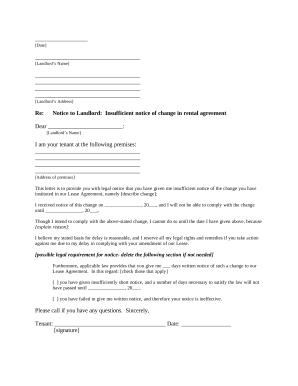
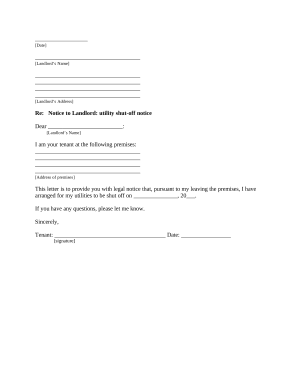
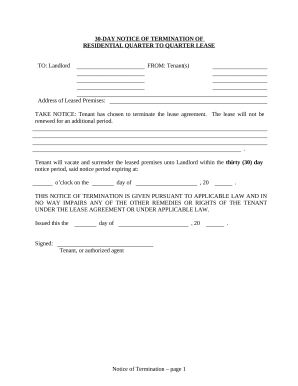
Manage District of Columbia Tenant Laws effortlessly online

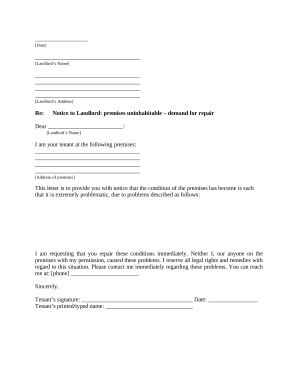
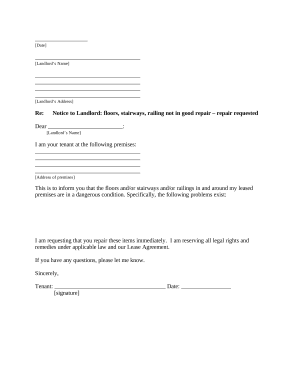
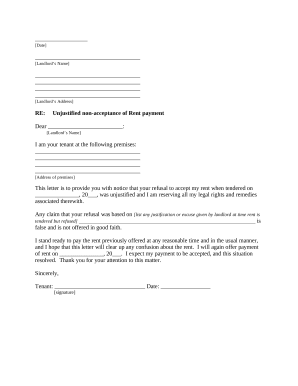
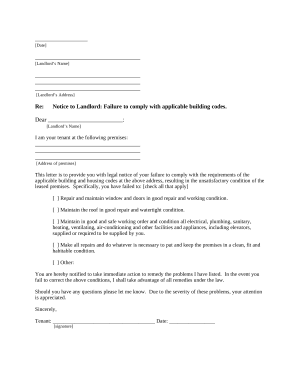
Document managing can stress you when you can’t discover all of the forms you need. Luckily, with DocHub's substantial form library, you can find all you need and swiftly handle it without switching between programs. Get our District of Columbia Tenant Laws and start working with them.

How to use our District of Columbia Tenant Laws using these simple steps:

  1. Check District of Columbia Tenant Laws and choose the form you need.
  2. Preview the template and then click Get Form.
  3. Wait for it to open in the online editor.
  4. Adjust your template: include new information and images, and fillable fields or blackout some parts if necessary.
  5. Complete your template, conserve changes, and prepare it for sending.
  6. When ready, download your form or share it with your contributors.

Try out DocHub and browse our District of Columbia Tenant Laws category without trouble. Get a free account right now!


Video Guide on District of Columbia Tenant Laws management

video background

Commonly Asked Questions about District of Columbia Tenant Laws

The housing provider shall serve on you a ninety (90) day notice to vacate in advance of an action to recover possession of your Rental Unit in instances arising under Section 501(d).
If youre a homeowner thinking of leasing your property in DC, youve likely heard the city is very tenant friendly. Unfortunately, that also means DC is notoriously difficult to navigate for landlords.
The 30 Day Notice to Correct or Vacate (RAD Form 10) is used in cases, except for nonpayment, where the tenant has violated the lease agreement. The RAD requires the landlord to file this notice with the court within 5 days of issuing it to the tenant. The tenant has 30 days to correct the lease violation.
Washington, D.C., Landlords Must Provide Habitable Rentals Specifically, D.C. landlords must: not rent or offer to rent any unit unless it is in a clean, safe, and sanitary condition, in repair, and free from rodents or vermin. maintain the facilities, utilities, and services as required by law.
- Examples of protected tenancy rights include: - Requesting that landlord make repairs necessary to bring rental unit into compliance with the housing code; - Contacting District government officials concerning suspected housing code violations; - Legally withholding rent (after reasonable notice to landlord) because
A landlord cant force you to move out before the lease ends unless you fail to pay the rent or violate another docHub term, such as repeatedly throwing large and noisy parties. In these cases, landlords in D.C. must follow specific procedures to end the tenancy.
If they decide not to renew the lease, they must provide 60 days notice. This will give you time to start marketing the property and hopefully find a new tenant to move in as soon as they leave.
If the tenant owes at least $600 in rent, the landlord may deliver this notice stating the amount of unpaid rent required to remedy the bdocHub and the date on which the lease will terminate if it is not paid (not less than 30 days after receipt of the notice) (D.C. Code 42-3505.01(a-1)(1)).