

Create your Dishonored Checks Legal Form from scratch

Start Building Now
Title decoration

Here's how it works

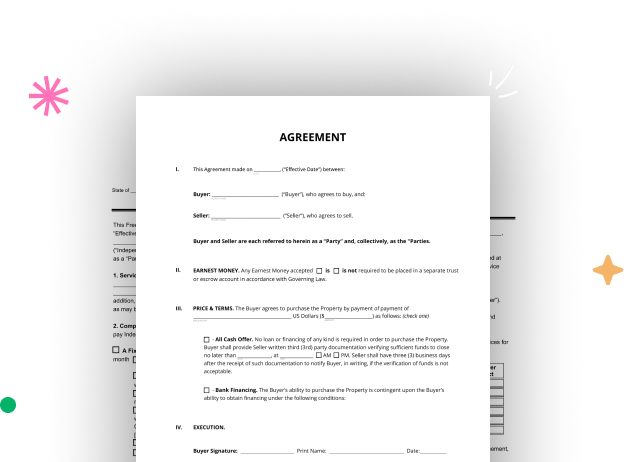
01. Start with a blank Dishonored Checks Legal Form
Open the blank document in the editor, set the document view, and add extra pages if applicable.
02. Add and configure fillable fields
Use the top toolbar to insert fields like text and signature boxes, radio buttons, checkboxes, and more. Assign users to fields.
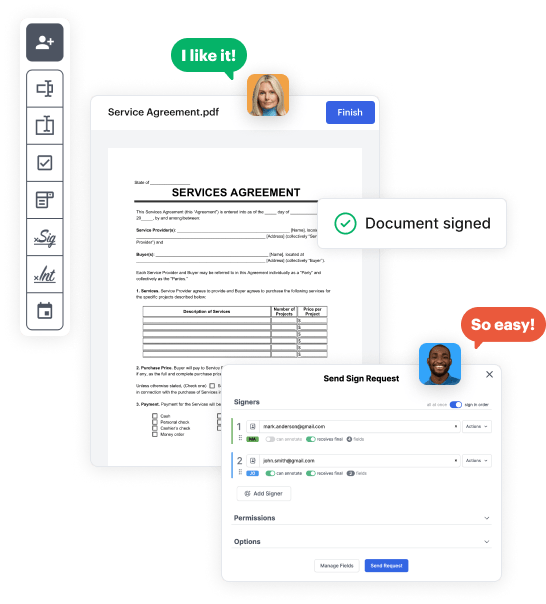
03. Distribute your form
Share your Dishonored Checks Legal Form in seconds via email or a link. You can also download it, export it, or print it out.

Create Dishonored Checks Legal Form from the ground up with these step-by-step guidelines

Form edit decoration

Step 1: Start off by launching DocHub.

Start by setting up a free DocHub account using any available sign-up method. Just log in if you already have one.

Step 2: Sign up for a 30-day free trial.

Try out the whole suite of DocHub's pro tools by registering for a free 30-day trial of the Pro plan and proceed to craft your Dishonored Checks Legal Form.

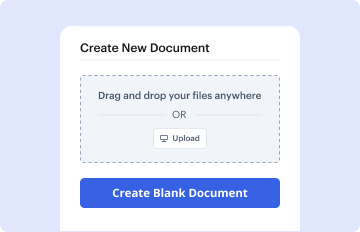
Step 3: Add a new blank form.

In your dashboard, hit the New Document button > scroll down and choose to Create Blank Document. You will be redirected to the editor.

Step 4: Organize the document’s layout.

Utilize the Page Controls icon marked by the arrow to toggle between two page views and layouts for more convenience.

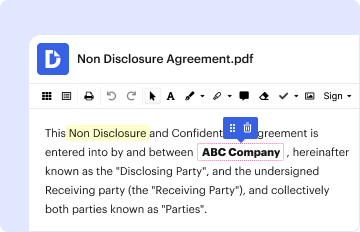
Step 5: Begin by adding fields to design the dynamic Dishonored Checks Legal Form.

Use the top toolbar to add document fields. Insert and configure text boxes, the signature block (if applicable), embed images, etc.

Step 6: Prepare and customize the incorporated fields.

Arrange the fields you incorporated based on your desired layout. Modify each field's size, font, and alignment to make sure the form is easy to use and professional.

Step 7: Finalize and share your document.

Save the ready-to-go copy in DocHub or in platforms like Google Drive or Dropbox, or craft a new Dishonored Checks Legal Form. Share your form via email or utilize a public link to reach more people.


be ready to get more

Build your Dishonored Checks Legal Form in minutes

Start creating now

Got questions?

We have answers to the most popular questions from our customers. If you can't find an answer to your question, please contact us.
Contact us
Record a returned or bounced customer check using a journal entry Step 1: Create an item for bounced check fees from your bank. Step 2: Record the bounced check in a journal entry. Step 3: Clear the original invoice and link the bounced check to the journal entry. Step 4: Enter the bank service fee for the bounced check.
Then write down the exact amount in either the withdrawal or deposit column depending on if you spent money or received it. Subtract the amount of any checks, withdrawals, payments and bank fees or add in deposits to the total amount in your account from the previous transaction.
In the case of a dishonored check, you reverse the original transaction. You debit your Accounts Receivable account and credit your Cash account, indicating that you didnt receive the payment.
Dishonored checks are items deposited at a depository bank but are returned either: Due to insufficient funds in the accounts the checks are drawn. For other reasons that prevent the bank from honoring the checks.
2:04 3:30 For a total of three hundred and twenty five. Dollars. Then you would credit the cash account toMoreFor a total of three hundred and twenty five. Dollars. Then you would credit the cash account to reduce the balance by that same 325. Dollars so in the end when you write a dishonored.
be ready to get more

Build your Dishonored Checks Legal Form in minutes

Start creating now

Related Q&A to Dishonored Checks Legal Form

0:22 4:34 It was deposited and the amount was added to the bank. Account. And so your check stub have aMoreIt was deposited and the amount was added to the bank. Account. And so your check stub have a different look to it. Now since its dishonored the amount must be subtracted. From the bank.
If your financial institution doesnt cover the check, it bounces and is returned to the depositors bank. Youll likely be charged a penalty for the rejected check; this is a nonsufficient funds fee, also known as an NSF or returned item fee. This typically costs about the same as an overdraft fee.

Additional resources on building your forms


