
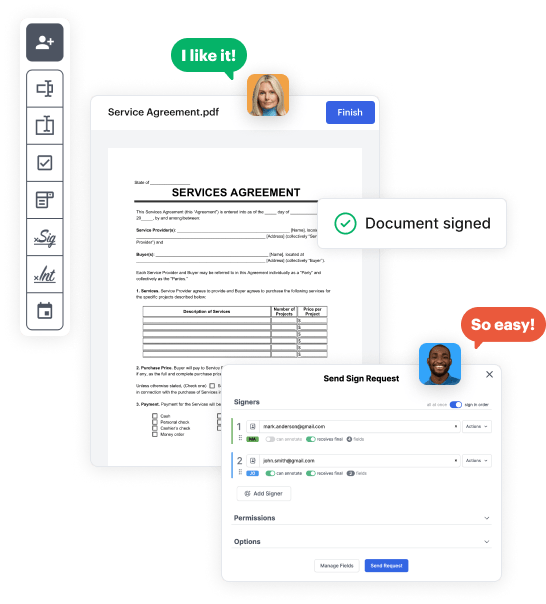
Create your Debt Management Letter from scratch

Start Building Now
Title decoration

Here's how it works

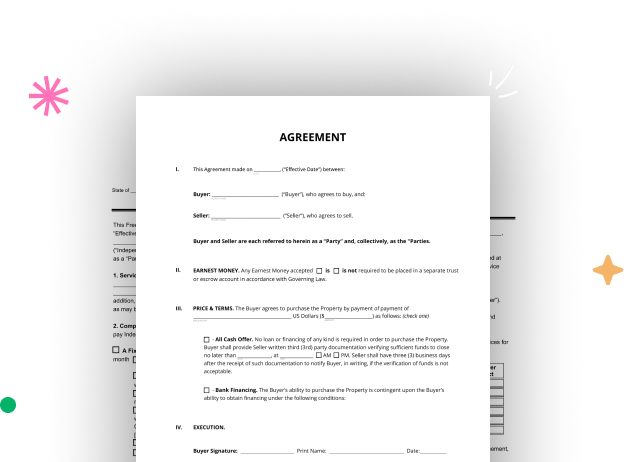
01. Start with a blank Debt Management Letter
Open the blank document in the editor, set the document view, and add extra pages if applicable.
02. Add and configure fillable fields
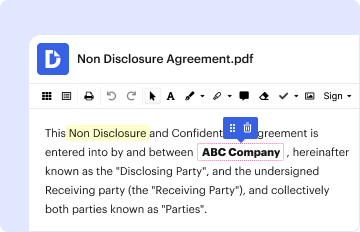
Use the top toolbar to insert fields like text and signature boxes, radio buttons, checkboxes, and more. Assign users to fields.
03. Distribute your form
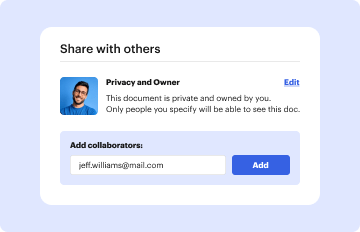
Share your Debt Management Letter in seconds via email or a link. You can also download it, export it, or print it out.

Create your Debt Management Letter in a matter of minutes

Form edit decoration

Step 1: Access DocHub to set up your Debt Management Letter.

Begin by accessing your DocHub account. Explore the pro DocHub functionality free for 30 days.

Step 2: Go to the dashboard.

Once signed in, head to the DocHub dashboard. This is where you'll create your forms and handle your document workflow.

Step 3: Design the Debt Management Letter.

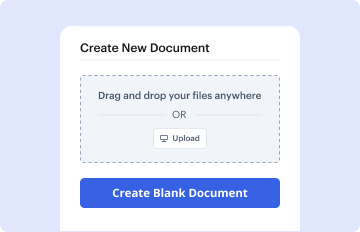
Hit New Document and choose Create Blank Document to be redirected to the form builder.

Step 4: Design the form layout.

Use the DocHub tools to add and arrange form fields like text areas, signature boxes, images, and others to your form.

Step 5: Insert text and titles.

Add necessary text, such as questions or instructions, using the text tool to guide the users in your document.

Step 6: Customize field settings.

Modify the properties of each field, such as making them compulsory or arranging them according to the data you expect to collect. Designate recipients if applicable.

Step 7: Review and save.

After you’ve managed to design the Debt Management Letter, make a final review of your form. Then, save the form within DocHub, transfer it to your chosen location, or share it via a link or email.


be ready to get more

Build your Debt Management Letter in minutes

Start creating now

Got questions?

We have answers to the most popular questions from our customers. If you can't find an answer to your question, please contact us.
Contact us
In this letter, you should include: Your name and address. Collection agencys name and address. Acknowledgment of contact from a collection agency, including the date they contacted you. A statement saying you dispute the debt. Request for proof that the debt is valid and belongs to you.
You can set up your DMP yourself. But, you have to: Manage your own payments. Contact everyone you owe yourself.
A debt settlement letter is, in effect, a written legal contract. Its important to make direct, explicit, and detailed statements. Include your personal contact information, full name, mailing address, and account number. Specify the amount that you can pay, as well as what you expect from the creditor in return.
What Should a Debt Validation Letter Include? The amount of debt you owe. The name of the original lender requesting payment. The account details associated with the debt. An option to dispute the debt within a 30-day time period. An opportunity to request more details about the original lender.
In this article, debt validation letter means the initial notice a debt collector must send you under federal law, and debt verification letter means a letter you send to the debt collector to request more information and/or to dispute the debt.
be ready to get more

Build your Debt Management Letter in minutes

Start creating now

Related Q&A to Debt Management Letter

Key Components to Include in a Debt Collection Letter Clear identification. Begin by clearly identifying the debtor, including their name, address, and relevant account information. Specific debt information. Payment options and due dates. Contact information. Call to Action. Legal considerations.
Can I send a debt validation letter after 30 days? You can still send a debt validation letter after 30 days. However, because the 30-day period has expired, the debt is assumed valid and the collector can still come after you for payment before they respond to your letter.
While debt validation requests can be a useful tool, they are not effective at resolving the issue. In most cases, creditors and collection agencies are able to provide the necessary documentation to prove the validity of the debt.

Additional resources on building your forms


