Manage Debt Instruments quickly online

Document administration can overpower you when you can’t discover all the forms you need. Luckily, with DocHub's vast form collection, you can discover everything you need and promptly manage it without switching between software. Get our Debt Instruments and start utilizing them.

Using our Debt Instruments using these basic steps:

  1. Examine Debt Instruments and choose the form you need.
  2. Review the template and then click Get Form.
  3. Wait for it to open in our online editor.
  4. Adjust your document: add new information and images, and fillable fields or blackout certain parts if needed.
  5. Prepare your document, save adjustments, and prepare it for sending.
  6. When all set, download your form or share it with other contributors.

Try out DocHub and browse our Debt Instruments category without trouble. Get a free profile today!


Video Guide on Debt Instruments management

video background

Commonly Asked Questions about Debt Instruments

The two most prominent financial instruments are equities and bonds. Equities (or shares) are the ownership of a portion of a company, which can then be traded. The value of this portion may fluctuate depending on the companys performance and market conditions, making equities a potentially risky investment.
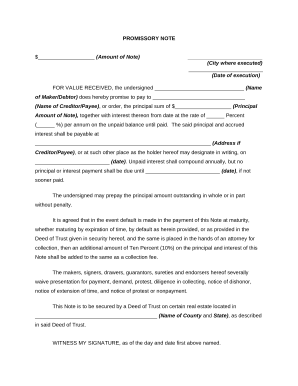
Debt instruments are any form of debt used to raise capital for businesses and governments. There are many types of debt instruments, but the most common are credit products, bonds, or loans. Each comes with different repayment conditions, generally described in a contract.
Bonds are the most common debt instrument. Bonds are created through a contract known as a bond indenture. They are fixed-income securities that are contractually obligated to provide a series of interest payments of a fixed amount and also repayment of the principal amount at maturity.
The most common debt by total amount of debt in the U.S. is mortgage debt. 2 Other types of common debt include credit card debt, auto loans, and student loans.
Here are some of the more common causes of debt people face in their everyday lives. Low income or underemployment. Divorce and relationship breakdown. Poor money management. High costs of living. Overuse of credit cards. Unexpected expenses. Declining health and medical expenses. Job loss.
Listed below are the different types of debt instruments you can find in India: #1. Bonds. These are the most common and are created through bond indenture. #2. Debentures. #3. T-Bills. #4. Certificates of Deposits. #5. Commercial Papers. #6. Mortgages. #7. Government Securities.
These can range from mortgages and different loans, like business loans or student loans. Or it could also be credit card debt, lines of credit, or various bonds and debentures.
A debt instrument is a contract that enables one party to loan funds to another party, who promises to repay the loan plus interest. Debt instruments are also referred to as fixed-income assets because the lender receives a fixed amount of interest during the lifetime of the instrument. Guide to Debt Instruments - SoFi sofi.com learn content debt-instruments sofi.com learn content debt-instruments