

Create your Court-Related Letter from scratch

Start Building Now
Title decoration

Here's how it works

01. Start with a blank Court-Related Letter
Open the blank document in the editor, set the document view, and add extra pages if applicable.
02. Add and configure fillable fields
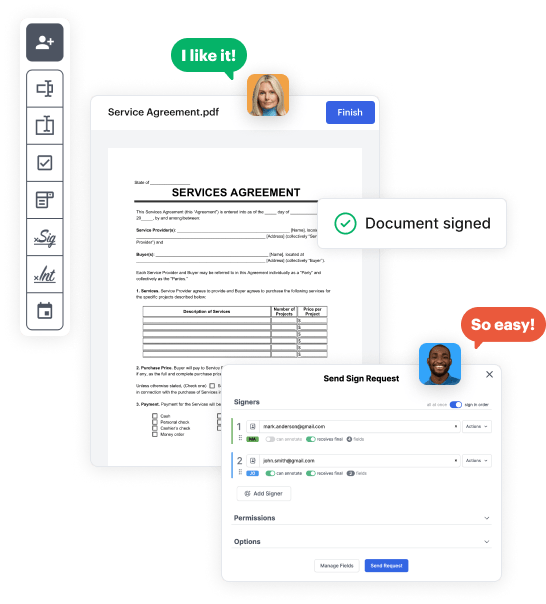
Use the top toolbar to insert fields like text and signature boxes, radio buttons, checkboxes, and more. Assign users to fields.
03. Distribute your form
Share your Court-Related Letter in seconds via email or a link. You can also download it, export it, or print it out.

A brief tutorial on how to build a professional-looking Court-Related Letter

Form edit decoration

Step 1: Sign in to DocHub to begin creating your Court-Related Letter.

First, log in to your DocHub account. If you don't have one, you can simply sign up for free.

Step 2: Go to the dashboard.

Once signed in, navigate to your dashboard. This is your central hub for all document-related activities.

Step 3: Initiate new document creation.

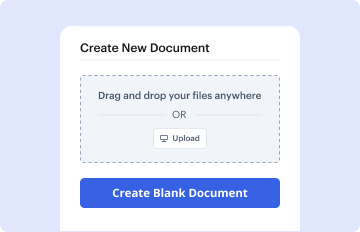
In your dashboard, click on New Document in the upper left corner. Select Create Blank Document to design the Court-Related Letter from the ground up.

Step 4: Insert template fillable areas.

Place various elements like text boxes, photos, signature fields, and other elements to your template and designate these fields to specific users as needed.

Step 5: Fine-tune your template.

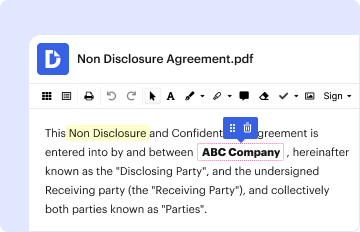
Refine your template by including guidelines or any other necessary tips using the text feature.

Step 6: Double-check and adjust the form.

Meticulously review your created Court-Related Letter for any inaccuracies or needed adjustments. Take advantage of DocHub's editing features to enhance your template.

Step 7: Send out or download the template.

After completing, save your file. You may select to save it within DocHub, transfer it to various storage options, or send it via a link or email.


be ready to get more

Build your Court-Related Letter in minutes

Start creating now

Got questions?

We have answers to the most popular questions from our customers. If you can't find an answer to your question, please contact us.
Contact us
Provide Verifiable Facts: Your character reference letter should include verifiable facts which demonstrate the good character of an individual in question this could involve specific incidents, dates, locations or examples which demonstrate their honesty, integrity or positive contributions to society.
Things You Should Know Draft your pleading on legal paper and include your identifying information and a caption that states the involved parties and case number. Draft the body with numbered paragraphs, double spacing, clear headings, and page numbers. Include a certificate of service in your submission.
Begin with a formal salutation, such as Dear Judge [Last Name], and introduce yourself and your case. Clearly state your reasons for requesting a continuance and provide supporting evidence. Conclude your letter by expressing your gratitude and willingness to cooperate with the courts decision.
To Whom It May Concern: First Paragraph: Explain who you are. Next, explain how you know the person that you are writing the character letter for, including how long and how well you have known them. Second Paragraph: Explain why you are writing the letter. Third Paragraph: Thank the court, and make your ask.
Best Way to Write a Letter to a Judge Address a piece of professional letterhead to the judge at the top of the letter. At the start of the letter, introduce yourself and explain how you know the defendant. Write statements that show support for the defendant and give examples of their good character.
be ready to get more

Build your Court-Related Letter in minutes

Start creating now

Related Q&A to Court-Related Letter

Comply With the Relevant Federal, State, and Local Rules. Research Before Writing. Allege Subject Matter Jurisdiction, Personal Jurisdiction, and Venue. Jurisdiction. Draft Concise and Plain Statement of the Facts. Factual Allegations. Draft Separate Counts for Each Legal Claim. Plead Facts With Particularity Where Necessary.
While we can understand why it might make sense to write a letter to your judge explaining your side of the story, we have found that writing such a letter can have dire consequences for your case and in some cases, prevent you from filing similar motions in the future.


