
Corporate Record Keeping

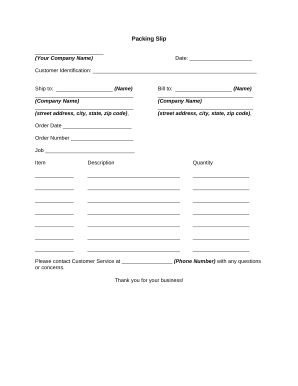
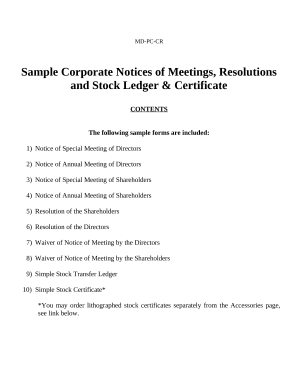
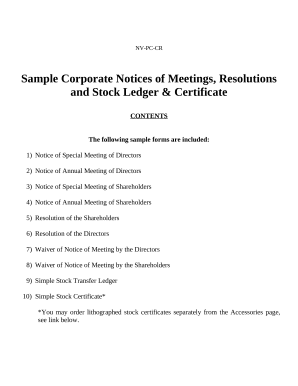
Get and handle Corporate Record Keeping online
Speed up your file operations with our Corporate Record Keeping category with ready-made document templates that suit your requirements. Access the form, change it, fill it, and share it with your contributors without breaking a sweat. Begin working more efficiently with the documents.
The best way to manage our Corporate Record Keeping:
- Open our Corporate Record Keeping and look for the form you want.
- Preview your form to ensure it’s what you want, and click Get Form to begin working on it.
- Modify, include new text, or highlight important information with DocHub tools.
- Complete your form and save the changes.
- Download or share your form template with other recipients.
Discover all the opportunities for your online file administration with the Corporate Record Keeping. Get your free free DocHub account right now!
Commonly Asked Questions about Corporate Record Keeping
How far back can the IRS audit a corporation?
Generally, the IRS can include returns filed within the last three years in an audit. If we identify a substantial error, we may add additional years. We usually dont go back more than the last six years. The IRS tries to audit tax returns as soon as possible after they are filed.
How to keep How to keep corporate records?
A good recordkeeping system includes a summary of all business transactions. These are usually kept in books called journals and ledgers, which business owners can buy at an office supply store. All requirements that apply to hard copy books and records also apply to electronic business records. Taking care of business: recordkeeping for small businesses irs.gov newsroom taking-care-of-busines irs.gov newsroom taking-care-of-busines
What are the record keeping requirements for a S-corporation?
Generally, S corps must keep minutes of all official shareholder meetings and other official meetings by the board of directors or officers. S corp meeting minutes will also record who was present or absent from the meeting, as well as any voting and discussions.
What records should I keep for the IRS?
Supporting documents include sales slips, paid bills, invoices, receipts, deposit slips, and canceled checks. These documents contain the information you need to record in your books. It is important to keep these documents because they support the entries in your books and on your tax return.
How long does the IRS require a business to keep records?
Business income and expenses If you have employees, you must keep all your employment tax records for at least 4 years after the tax becomes due or is paid, whichever is later.
How long do you need to keep corporate records for the IRS?
Keep records for 3 years from the date you filed your original return or 2 years from the date you paid the tax, whichever is later, if you file a claim for credit or refund after you file your return.
What 5 types of records should a business maintain?
The following are some of the types of records you should keep: Canceled checks or other documents reflecting proof of payment/electronic funds transferred. Cash register tape receipts. Credit card receipts and statements. Invoices.
What is corporate bookkeeping?
Corporate accounting, also known as industry account, refers to all types of accounting that pertains to companies rather than individuals. It usually comprises of a team or department of accountants that operate as an internal branch of the company.
What business records should be kept for 7 years?
Operational Records, including bank account statements, credit card statements, canceled checks, cash receipts and check book stubs, follow the seven year rule.


