
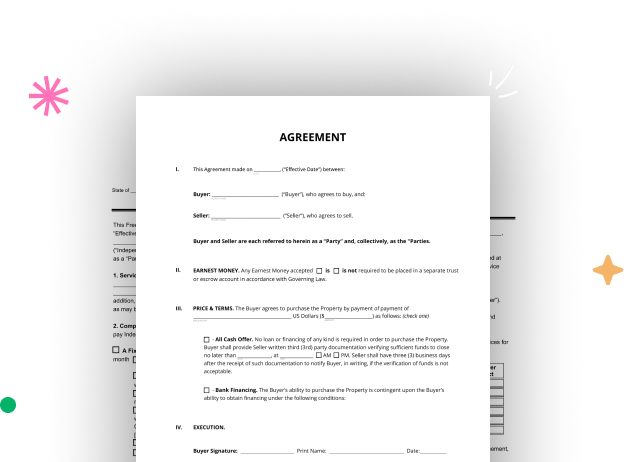
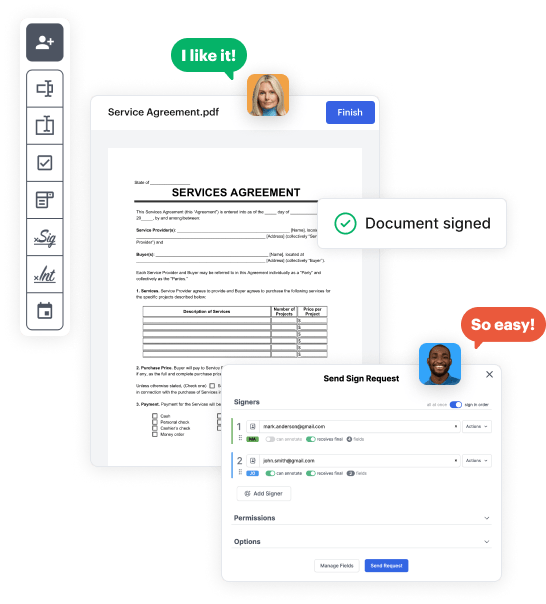
Create your Connecticut Quitclaim Deed Form from scratch

Start Building Now
Title decoration

Here's how it works

01. Start with a blank Connecticut Quitclaim Deed Form
Open the blank document in the editor, set the document view, and add extra pages if applicable.
02. Add and configure fillable fields
Use the top toolbar to insert fields like text and signature boxes, radio buttons, checkboxes, and more. Assign users to fields.
03. Distribute your form
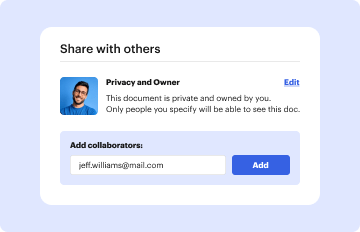
Share your Connecticut Quitclaim Deed Form in seconds via email or a link. You can also download it, export it, or print it out.

Create Connecticut Quitclaim Deed Form from the ground up with these step-by-step guidelines

Form edit decoration

Step 1: Get started with DocHub.

Start by signing up for a free DocHub account using any offered sign-up method. Simply log in if you already have one.

Step 2: Sign up for a free 30-day trial.

Try out the entire collection of DocHub's pro tools by signing up for a free 30-day trial of the Pro plan and proceed to build your Connecticut Quitclaim Deed Form.

Step 3: Add a new empty document.

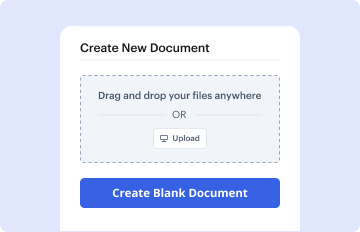
In your dashboard, click the New Document button > scroll down and hit Create Blank Document. You will be taken to the editor.

Step 4: Organize the document’s layout.

Use the Page Controls icon marked by the arrow to switch between two page views and layouts for more convenience.

Step 5: Begin by inserting fields to design the dynamic Connecticut Quitclaim Deed Form.

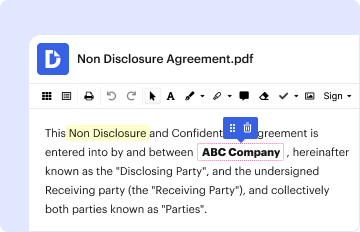
Explore the top toolbar to add document fields. Add and format text boxes, the signature block (if applicable), add photos, and other elements.

Step 6: Prepare and customize the added fields.

Configure the fillable areas you added per your preferred layout. Modify each field's size, font, and alignment to make sure the form is straightforward and polished.

Step 7: Finalize and share your template.

Save the finalized copy in DocHub or in platforms like Google Drive or Dropbox, or create a new Connecticut Quitclaim Deed Form. Distribute your form via email or use a public link to reach more people.


be ready to get more

Build your Connecticut Quitclaim Deed Form in minutes

Start creating now

Got questions?

We have answers to the most popular questions from our customers. If you can't find an answer to your question, please contact us.
Contact us
The process through which owners quit the claim on their properties is called quitclaim deeds. A quitclaim deed is named as such because it means that the owner is leaving behind their claim on the property. Unlike warranty deeds, quitclaim deeds offer zero buyer protection.
Once a deed is recorded it cannot be changed. We recommend you consult a real estate attorney or title company to prepare a new deed. If a married couple held the property jointly as tenants by entireties and one spouse dies, it is not necessary to remove that spouses name from the deed.
Under state law, a quitclaim deed must be in writing, contain a legal description of the property, meet specific signing and acknowledgment requirements, be docHubd, be witnessed by two people, and use the correct terminology. Make sure you understand the necessary steps for legally executing this document.
To be eligible for recording, Connecticut real estate deeds must meet statutory content and format requirements: - Real estate deeds must be in writing ( 47-5). - The grantor or an authorized representative must sign the deed, and the signature must be witnessed by two people who are not involved with the transaction.
Recording All deeds are to be recorded with the City/Town Recording Office in the jurisdiction of the property. Signing All deeds must be completed with a Notary Public acknowledging the signatures in addition to two (2) witnesses. The Notary Public may account as one (1) of the witnesses.
be ready to get more

Build your Connecticut Quitclaim Deed Form in minutes

Start creating now

Related Q&A to Connecticut Quitclaim Deed Form

How do you add someone to a deed in CT? Adding someone to your house deed requires the filing of a legal form known as a quitclaim deed. When executed and docHubd, the quitclaim deed legally overrides the current deed to your home.
It must be signed before a notary and two witnesses. The notary may be a witness, but the person receiving the ownership right cannot be a witness. In addition to the Deed, you will need a conveyance tax form. Although no tax will be due, you still need to complete the form.
You would need a lawyer to draft a deed adding her to the title.

Additional resources on building your forms


