
Create your Connecticut Lease Agreement from scratch

Start Building Now
Title decoration

Here's how it works

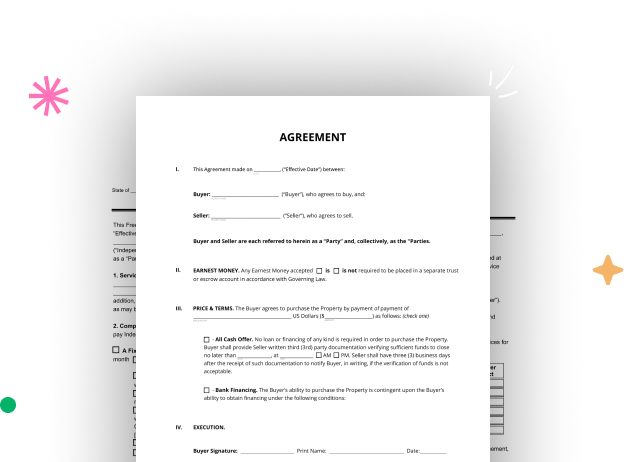
01. Start with a blank Connecticut Lease Agreement
Open the blank document in the editor, set the document view, and add extra pages if applicable.
02. Add and configure fillable fields
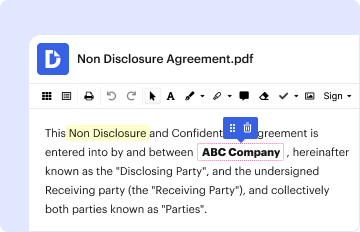
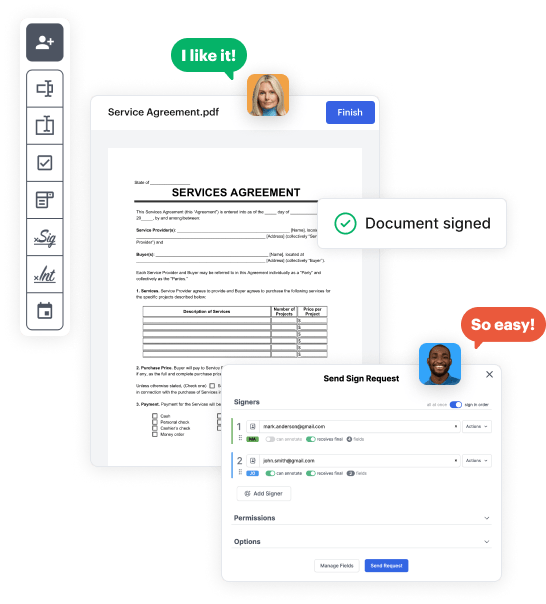
Use the top toolbar to insert fields like text and signature boxes, radio buttons, checkboxes, and more. Assign users to fields.
03. Distribute your form
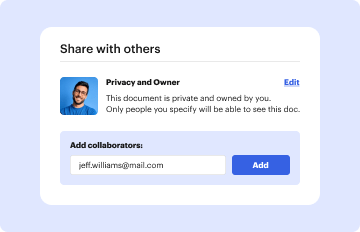
Share your Connecticut Lease Agreement in seconds via email or a link. You can also download it, export it, or print it out.

A detailed walkthrough of how to craft your Connecticut Lease Agreement online

Form edit decoration

Step 1: Start with DocHub's free trial.

Go to the DocHub website and register for the free trial. This gives you access to every feature you’ll require to build your Connecticut Lease Agreement without any upfront cost.

Step 2: Navigate to your dashboard.

Log in to your DocHub account and go to the dashboard.

Step 3: Craft a new document.

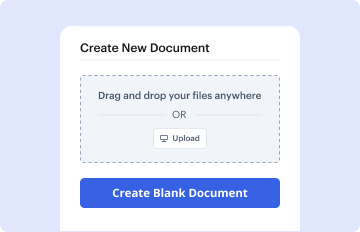
Hit New Document in your dashboard, and choose Create Blank Document to create your Connecticut Lease Agreement from the ground up.

Step 4: Use editing tools.

Add different elements such as text boxes, radio buttons, icons, signatures, etc. Organize these elements to match the layout of your document and designate them to recipients if needed.

Step 5: Modify the form layout.

Rearrange your document effortlessly by adding, moving, deleting, or combining pages with just a few clicks.

Step 6: Create the Connecticut Lease Agreement template.

Transform your freshly crafted form into a template if you need to send many copies of the same document numerous times.

Step 7: Save, export, or distribute the form.

Send the form via email, distribute a public link, or even publish it online if you aim to collect responses from a broader audience.


be ready to get more

Build your Connecticut Lease Agreement in minutes

Start creating now

Got questions?

We have answers to the most popular questions from our customers. If you can't find an answer to your question, please contact us.
Contact us
Frequently Asked Questions. Does a Lease need to be docHubd in Connecticut? No, Connecticut Lease Agreements do not need to be docHubd. The Lease is legally binding and fully enforceable as long as its signed by both parties.
A month-to-month rental agreement in Connecticut is a tenant and landlord contract. Under this agreement, the tenant pays the landlord a monthly fee or rent in exchange for the propertys right to occupy. The rental agreement automatically renews each month until either party gives proper notice to terminate it.
An oral agreement is made between the landlord and tenant after they discuss rental items. It is usually a month to month agreementthat is, the rent is paid on a monthly basis and the lease continues without a final date until the landlord or the tenant ends it.
A Connecticut standard lease agreement is a fixed contract that allows a landlord to rent property to a tenant in exchange for rent payments. This type of contract has a start and end date. Updated August 09, 2024.
Since the tenants agreement is tied to the property, they have the right to stay there after the property is sold. If no arrangements are made for the lease to terminate legally, the new landlord must honor the lease until it expires. If the new landlord wants the tenant out, they can form a cash for keys agreement.
be ready to get more

Build your Connecticut Lease Agreement in minutes

Start creating now

Related Q&A to Connecticut Lease Agreement

Landlords must give tenants a notice to quit at least three days before terminating a lease agreement. This requirement can be waived if included in the lease (CGS 47a-25).
By definition, a month-to-month lease can be terminated by either party upon at least 30 days notice for any reason, or for no reason at all.
How to Evict Step 1 Send Eviction Notice to Tenant. Non-Payment Non-Compliance (3-Day Notice to Quit) Step 2 File With the Court. Step 3 Court Assigns Return Date. Step 4 Appear in Court. Step 5 Motion for Default Judgment. Step 6 File an Execution for Possession. Step 7 Possession of Property.

Additional resources on building your forms


