
Create your Connecticut Landlord Tenant Form from scratch

Start Building Now
Title decoration

Here's how it works

01. Start with a blank Connecticut Landlord Tenant Form
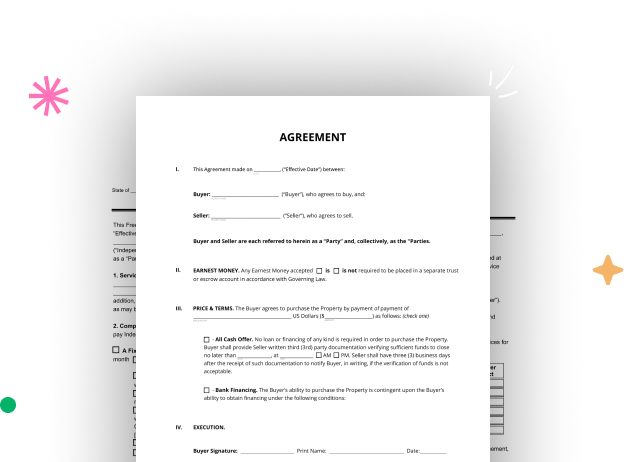
Open the blank document in the editor, set the document view, and add extra pages if applicable.
02. Add and configure fillable fields
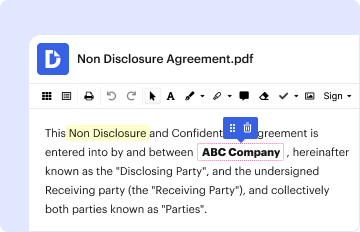
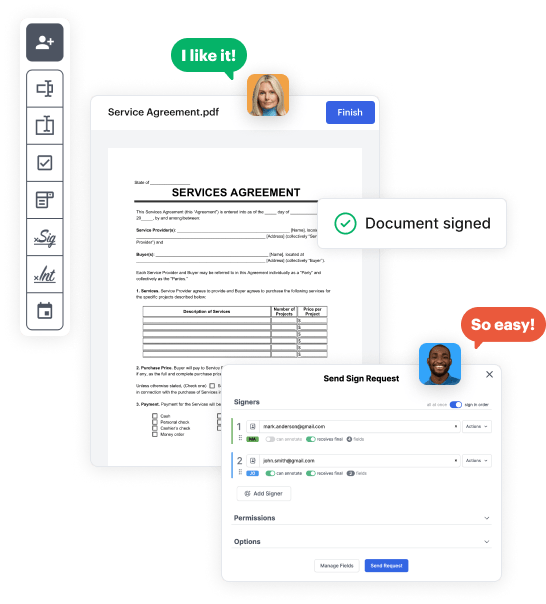
Use the top toolbar to insert fields like text and signature boxes, radio buttons, checkboxes, and more. Assign users to fields.
03. Distribute your form
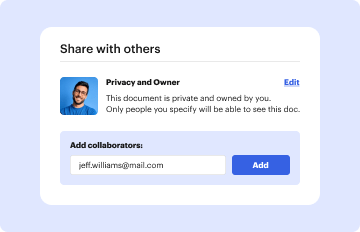
Share your Connecticut Landlord Tenant Form in seconds via email or a link. You can also download it, export it, or print it out.

Create your Connecticut Landlord Tenant Form in a matter of minutes

Form edit decoration

Step 1: Access DocHub to build your Connecticut Landlord Tenant Form.

Start signining into your DocHub account. Explore the advanced DocHub functionality free for 30 days.

Step 2: Go to the dashboard.

Once logged in, go to the DocHub dashboard. This is where you'll build your forms and manage your document workflow.

Step 3: Design the Connecticut Landlord Tenant Form.

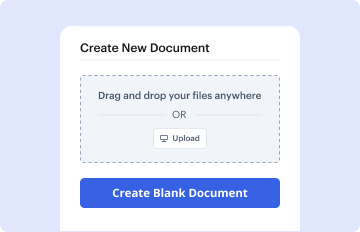
Click on New Document and select Create Blank Document to be redirected to the form builder.

Step 4: Set up the form layout.

Use the DocHub tools to add and configure form fields like text areas, signature boxes, images, and others to your form.

Step 5: Insert text and titles.

Add necessary text, such as questions or instructions, using the text tool to guide the users in your document.

Step 6: Configure field properties.

Alter the properties of each field, such as making them compulsory or formatting them according to the data you expect to collect. Assign recipients if applicable.

Step 7: Review and save.

After you’ve managed to design the Connecticut Landlord Tenant Form, make a final review of your form. Then, save the form within DocHub, transfer it to your selected location, or distribute it via a link or email.


be ready to get more

Build your Connecticut Landlord Tenant Form in minutes

Start creating now

Got questions?

We have answers to the most popular questions from our customers. If you can't find an answer to your question, please contact us.
Contact us
While there are no specific requirements to become a landlord in Connecticut, it is recommended to familiarize yourself with the states landlord laws, understand the responsibilities involved, and ensure compliance with fair housing requirements and other regulations.
New laws include mandatory video cameras at absentee drop boxes as part of sweeping legislation to ensure election security, allowing firearm sellers access to the arrest records of potential buyers under 21, prohibiting the selling of a persons health data without their consent, and requiring the departments of
Beginning October 1, 2023, Landlords are prohibited from charging prospective tenants an application fee. Landlords, however, may still require a security deposit, advance payment of the first months rent or a deposit for a key or any special equipment, or a fee for a tenant screening report.
In Connecticut, there are no statewide rent control policies, which means there is not a legally enforced limit by which landlords can increase rent. However, landlords should consider the terms of individual leases and respect the notice period for tenants currently in a lease agreement.
Due to COVID-19, Governor Lamont has issued an executive order that called for an eviction moratorium and allowed tenants a lengthier grace period to resolve non-payment of rent without late fees. Landlords must also check out information about laws on the Security Deposit they ask from the tenant.
be ready to get more

Build your Connecticut Landlord Tenant Form in minutes

Start creating now

Related Q&A to Connecticut Landlord Tenant Form

A Connecticut tenant has the right to live in a habitable apartment that complies with local housing and safety rules and seek housing without any discrimination from their landlord. As the Connecticut law states, tenant rights allow them to request repairs for damages that exceed normal wear and tear in the apartment.

Additional resources on building your forms


