
Create your Confidentiality Agreement Legal Form from scratch

Start Building Now
Title decoration

Here's how it works

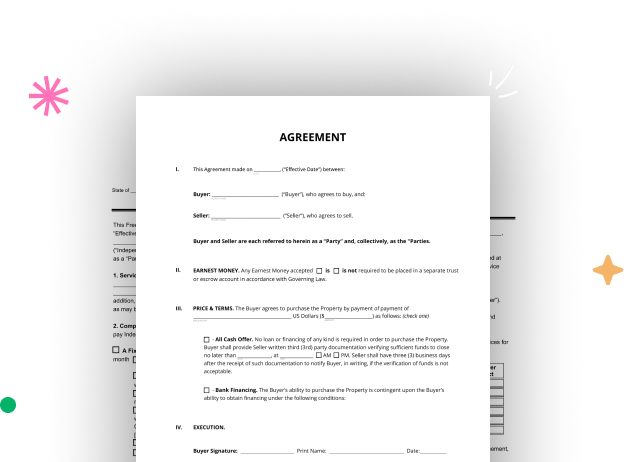
01. Start with a blank Confidentiality Agreement Legal Form
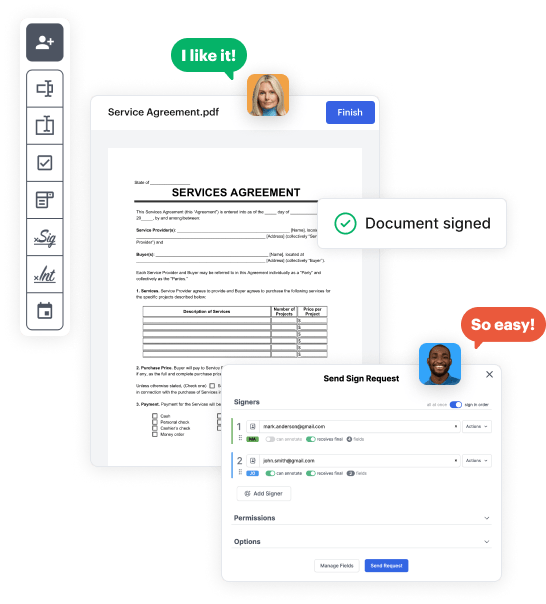
Open the blank document in the editor, set the document view, and add extra pages if applicable.
02. Add and configure fillable fields
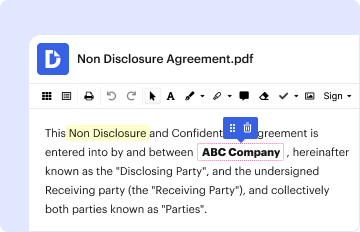
Use the top toolbar to insert fields like text and signature boxes, radio buttons, checkboxes, and more. Assign users to fields.
03. Distribute your form
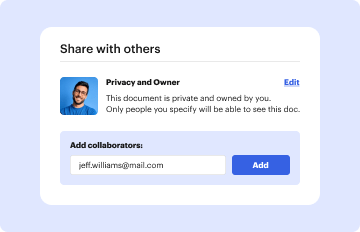
Share your Confidentiality Agreement Legal Form in seconds via email or a link. You can also download it, export it, or print it out.

Build Confidentiality Agreement Legal Form from scratch by following these comprehensive guidelines

Form edit decoration

Step 1: Open DocHub and get going.

Begin by registering a free DocHub account using any offered sign-up method. If you already have one, simply log in.

Step 2: Register for a free 30-day trial.

Try out the entire set of DocHub's advanced features by registering for a free 30-day trial of the Pro plan and proceed to build your Confidentiality Agreement Legal Form.

Step 3: Start with a new empty doc.

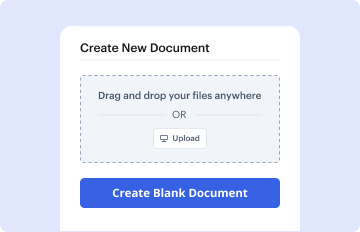
In your dashboard, click the New Document button > scroll down and choose to Create Blank Document. You’ll be redirected to the editor.

Step 4: Organize the document’s view.

Utilize the Page Controls icon indicated by the arrow to switch between different page views and layouts for more convenience.

Step 5: Begin by adding fields to design the dynamic Confidentiality Agreement Legal Form.

Navigate through the top toolbar to add document fields. Add and format text boxes, the signature block (if applicable), add photos, and other elements.

Step 6: Prepare and configure the incorporated fields.

Organize the fields you incorporated based on your chosen layout. Adjust the size, font, and alignment to ensure the form is user-friendly and neat-looking.

Step 7: Finalize and share your template.

Save the ready-to-go copy in DocHub or in platforms like Google Drive or Dropbox, or create a new Confidentiality Agreement Legal Form. Distribute your form via email or use a public link to engage with more people.


be ready to get more

Build your Confidentiality Agreement Legal Form in minutes

Start creating now

Got questions?

We have answers to the most popular questions from our customers. If you can't find an answer to your question, please contact us.
Contact us
Yes, a confidentiality agreement is legally enforceable if it has been signed by all parties and has been drawn up correctly from a legal standpoint. It must be detailed enough to be enforced, such as stating what information must stay private, between what parties, and for how long.
Five other key features must be included in your NDA to ensure its legally binding, including a description of confidential information, obligations of the parties involved, any exclusions, the term of the agreement and consequences of a bdocHub.
What to include in a confidentiality agreement. Reason for the agreement: Explain why youre sharing this information. The information disclosed: Be specific about the subject matter and what exactly is included in the agreement. Exclusions: Note what information is not covered by this agreement.
You do not need a lawyer to create and sign a non-disclosure agreement. However, if the information you are trying to protect is important enough to warrant an NDA, you may want to have the document reviewed by someone with legal expertise.
A confidentiality agreement should include the names and addresses of the parties to the contract. Consider also including: Reason for the agreement: Explain why youre sharing this information. The information disclosed: Be specific about the subject matter and what exactly is included in the agreement.
be ready to get more

Build your Confidentiality Agreement Legal Form in minutes

Start creating now

Related Q&A to Confidentiality Agreement Legal Form

NDAs are enforceable when they are signed if they are properly drafted and executed. NDAs are enforceable once signed, provided they have been drafted and executed properly. Unilateral NDAs need only the signature of the receiving party, whereas mutual non-disclosure agreements need the signatures of both parties.

Additional resources on building your forms


