Get and handle Collection Agencies online

Speed up your document management with the Collection Agencies online library with ready-made templates that suit your requirements. Get the form, modify it, complete it, and share it with your contributors without breaking a sweat. Begin working more effectively together with your forms.

The best way to use our Collection Agencies:

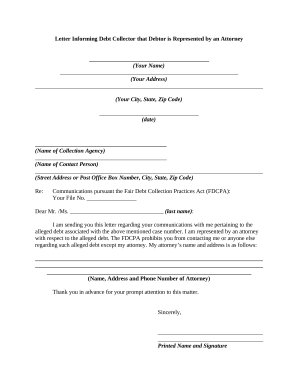
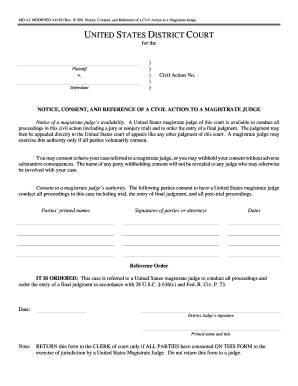
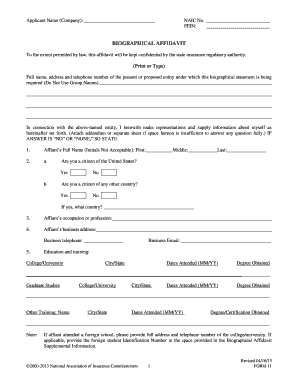
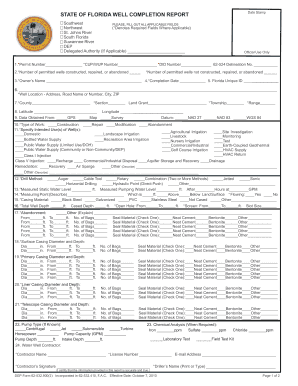
  1. Open our Collection Agencies and search for the form you need.
  2. Preview your document to ensure it’s what you want, and click Get Form to begin working on it.
  3. Change, include new text, or highlight important information with DocHub tools.
  4. Complete your form and preserve the modifications.
  5. Download or share your form with other recipients.

Examine all of the opportunities for your online document administration with our Collection Agencies. Get a free free DocHub profile today!


Video Guide on Collection Agencies management

video background

Commonly Asked Questions about Collection Agencies

Debt collectors can only take money from your paycheck, bank account, or benefitswhich is called garnishmentif they have already sued you and a court entered a judgment against you for the amount of money you owe. The law sets certain limits on how much debt collectors can garnish your wages and bank accounts.
You should never pay a collection agency, even if they demand payment immediately and directly. This repayment will remain as a transaction on your credit report for several years.
Most companies charge anywhere from 20% to 50% contingency on dollars recovered. Additionally, some agencies may also charge a retainer for services in contingency collections contracts.
Debt Collector duties and responsibilities Manage multiple delinquent accounts for debt collection efforts. Keep track of assigned accounts to identify outstanding debts. Plan a course of action to recover outstanding payments. Negotiate payoff deadlines or payment plans. Handle questions or complaints.
Collection agencies are companies that purchase consumer debt and work to recover unpaid balances. Some lenders have special in-house departments dedicated to debt collection, while others hire third parties to handle collections on their behalf.
Ignoring these efforts could lead to further financial strain, potential wage garnishment, or the seizure of assets through a court judgment. Additionally, the debt may remain on your credit report for up to seven years, negatively impacting your credit score and future financial opportunities.
Debt collectors are allowed to contact you to collect on the bills you owe and are allowed to sue you to recover the money. If they win the lawsuit, they can garnish your wages (taking some of your paycheck every pay period until the debt is paid) or put a lien on your home.
The debt collector could then garnish your wages and bank accounts, meaning it could take money from your paycheck or accounts. Make sure you respond by the date stated in the court papers so you can defend yourself in court. If you are sued, you may want to consult an attorney.