
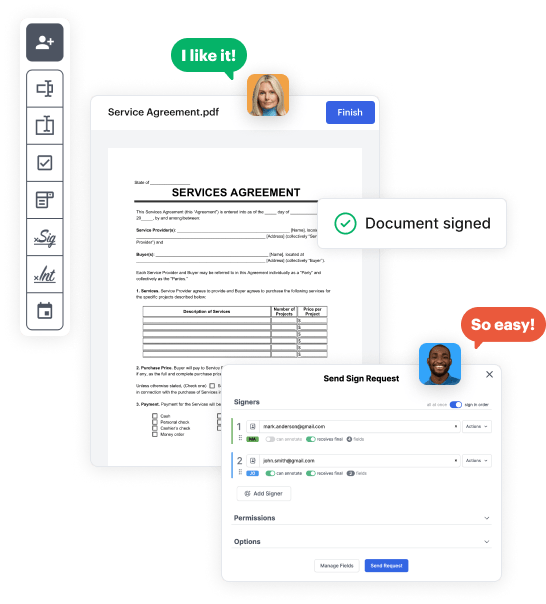
Create your California Tenant Law from scratch

Start Building Now
Title decoration

Here's how it works

01. Start with a blank California Tenant Law
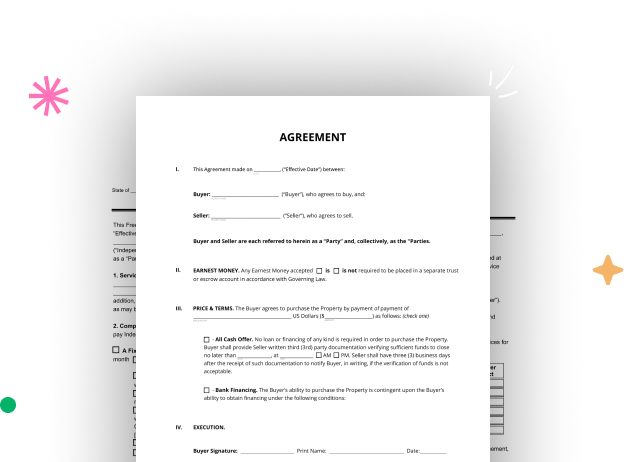
Open the blank document in the editor, set the document view, and add extra pages if applicable.
02. Add and configure fillable fields
Use the top toolbar to insert fields like text and signature boxes, radio buttons, checkboxes, and more. Assign users to fields.
03. Distribute your form
Share your California Tenant Law in seconds via email or a link. You can also download it, export it, or print it out.

Build California Tenant Law from the ground up with these detailed guidelines

Form edit decoration

Step 1: Start off by launching DocHub.

Begin by signing up for a free DocHub account using any offered sign-up method. If you already have one, simply log in.

Step 2: Sign up for a free 30-day trial.

Try out the entire set of DocHub's pro features by registering for a free 30-day trial of the Pro plan and proceed to craft your California Tenant Law.

Step 3: Create a new empty document.

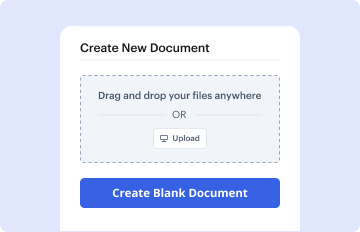
In your dashboard, hit the New Document button > scroll down and choose to Create Blank Document. You’ll be taken to the editor.

Step 4: Organize the document’s view.

Utilize the Page Controls icon marked by the arrow to toggle between two page views and layouts for more flexibility.

Step 5: Start inserting fields to design the dynamic California Tenant Law.

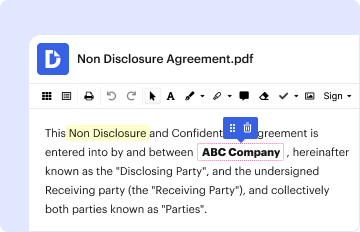
Use the top toolbar to place document fields. Insert and configure text boxes, the signature block (if applicable), insert images, etc.

Step 6: Prepare and configure the incorporated fields.

Organize the fields you incorporated per your chosen layout. Customize the size, font, and alignment to ensure the form is user-friendly and professional.

Step 7: Finalize and share your form.

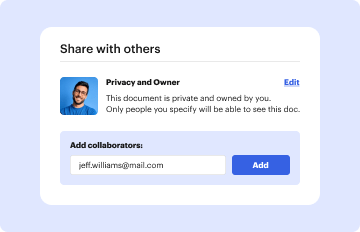
Save the finalized copy in DocHub or in platforms like Google Drive or Dropbox, or design a new California Tenant Law. Send out your form via email or use a public link to engage with more people.


be ready to get more

Build your California Tenant Law in minutes

Start creating now

Got questions?

We have answers to the most popular questions from our customers. If you can't find an answer to your question, please contact us.
Contact us
California doesnt require landlords to have a business license. However, some cities may require you to have a license before renting out units within city limits. Before signing a lease with your first renter, check with your city to confirm whether you need a business license.
To operate an Airbnb vacation rental in Los Angeles, hosts must obtain a home-sharing permit and renew it annually. If you want to host for longer you will have to apply for extended home-sharing. The citys zoning laws also severely restrict vacation rentals in its residential zones.
Effective April 1, 2024, the eviction notice must include a description of the work to be done, copies of required permits, and a notice that if the substantial remodel is not commenced or completed, the tenant must be given the opportunity to re-rent the unit at the same rent and lease terms as when the tenant left.
These include the full names and contact information of the landlord and any managing property management agents, the rental property address, the monthly rent amount, and the lease agreements duration. The security deposit maximum, rental terms for payment, and late fees must be clearly outlined.
SB 329 Mandatory Section 8 Bill Landlords cannot discriminate against tenants who use a voucher to pay their rent. Tenants must still meet other terms of the housing owner. This law takes effect on January 1, 2020. The Center on Budget and Policy Priorities estimates that 300,000 Californians use housing vouchers.
be ready to get more

Build your California Tenant Law in minutes

Start creating now

Related Q&A to California Tenant Law

Limits on Rent Increases Landlords cannot raise rent more than 10% total or 5% plus the percentage change in the cost of living whichever is lower over a 12-month period. If the tenants of a unit move out and new tenants move in, the landlord may establish the initial rent to charge. (Civ. Code 1947.12.)
California law does not require a specific license to become a landlord. However, regulations and requirements can vary between different cities and counties. If you choose to use a property management company, which is a service we offer, they must be licensed.
A wave of new legislation strengthening tenant protections in California goes into effect in 2024. These laws limit evictions, cap security deposits, extend rent control, and make it easier for tenants to fight back against landlords trying to skirt housing regulations.

Additional resources on building your forms


