
Create your California Construction Legal Form from scratch

Start Building Now
Title decoration

Here's how it works

01. Start with a blank California Construction Legal Form
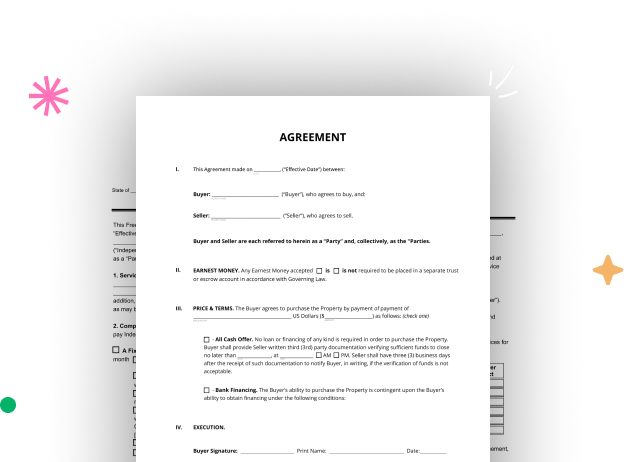
Open the blank document in the editor, set the document view, and add extra pages if applicable.
02. Add and configure fillable fields
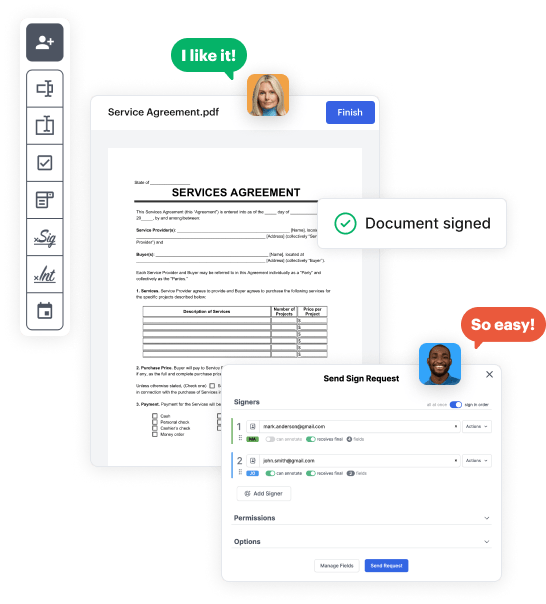
Use the top toolbar to insert fields like text and signature boxes, radio buttons, checkboxes, and more. Assign users to fields.
03. Distribute your form
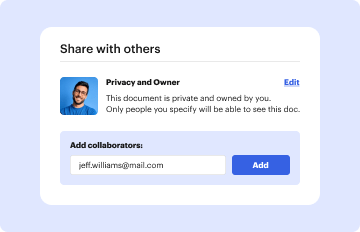
Share your California Construction Legal Form in seconds via email or a link. You can also download it, export it, or print it out.

Design your California Construction Legal Form in a matter of minutes

Form edit decoration

Step 1: Access DocHub to build your California Construction Legal Form.

Start by accessing your DocHub account. Utilize the advanced DocHub functionality at no cost for 30 days.

Step 2: Go to the dashboard.

Once logged in, head to the DocHub dashboard. This is where you'll build your forms and handle your document workflow.

Step 3: Design the California Construction Legal Form.

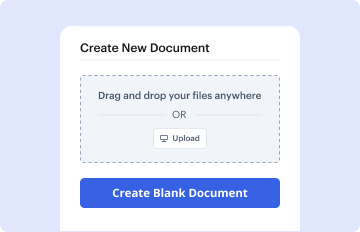
Hit New Document and choose Create Blank Document to be taken to the form builder.

Step 4: Design the form layout.

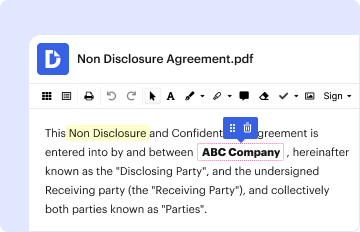
Use the DocHub tools to insert and configure form fields like text areas, signature boxes, images, and others to your document.

Step 5: Add text and titles.

Add needed text, such as questions or instructions, using the text field to lead the users in your form.

Step 6: Configure field settings.

Adjust the properties of each field, such as making them mandatory or arranging them according to the data you plan to collect. Designate recipients if applicable.

Step 7: Review and save.

After you’ve managed to design the California Construction Legal Form, make a final review of your document. Then, save the form within DocHub, send it to your chosen location, or share it via a link or email.


be ready to get more

Build your California Construction Legal Form in minutes

Start creating now

Got questions?

We have answers to the most popular questions from our customers. If you can't find an answer to your question, please contact us.
Contact us
In simple terms, to launch your construction company in California, follow this guide: Gain experience in the industry. Obtain a business license. Get a contractors license. Secure insurance coverage. Start bidding on projects.
All businesses or individuals who construct or alter any building, highway, road, parking facility, railroad, excavation, or other structure in California must be licensed by the California Contractors State License Board (CSLB) if the total cost (labor and materials) of one or more contracts on the project is $500 or
The application for licensing is $450. The fee for the actual license is $200 (and its valid for two years). Youll need fingerprints taken to ensure that your criminal background is accurate. The fee for fingerprinting is usually $49.
Generally, all construction contracts and subcontracts in California must include the contractors license number issued by the CLSB (if required). In addition, to the license number, all prime contracts must include notice language regarding licensing requirements in 10pt bold font.
A thorough contract tells how the work will be done, when it will be done, what materials will be used, and how much it will cost. In California, a written contract is required for all home improvement projects over $500.
be ready to get more

Build your California Construction Legal Form in minutes

Start creating now

Related Q&A to California Construction Legal Form

How to Get a California Contractors License in 7 Steps Choose a license classification. Make sure you meet the minimum requirements. Complete the application packet. Submit your application and fees. Complete a background check. Pass the licensing exam. Get your license!
To start a construction company in California, you typically need a general contractors license issued by the California Contractors State License Board (CSLB). Specific licenses for specialized trades like plumbing or electrical may also be required based on the scope of your projects.

Additional resources on building your forms


