

Create your Business Bylaws Package from scratch

Start Building Now
Title decoration

Here's how it works

01. Start with a blank Business Bylaws Package
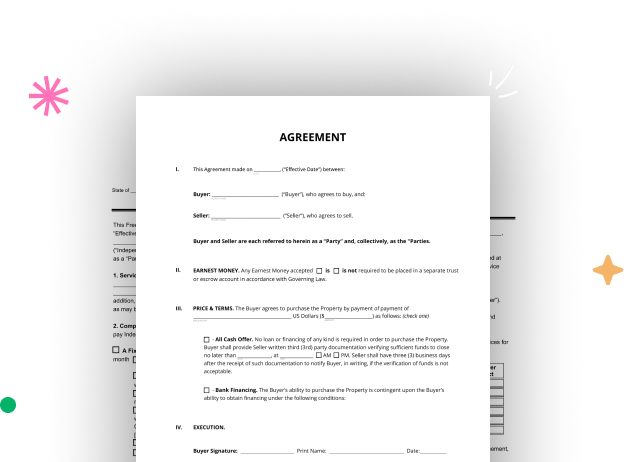
Open the blank document in the editor, set the document view, and add extra pages if applicable.
02. Add and configure fillable fields
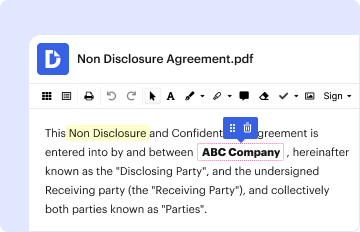
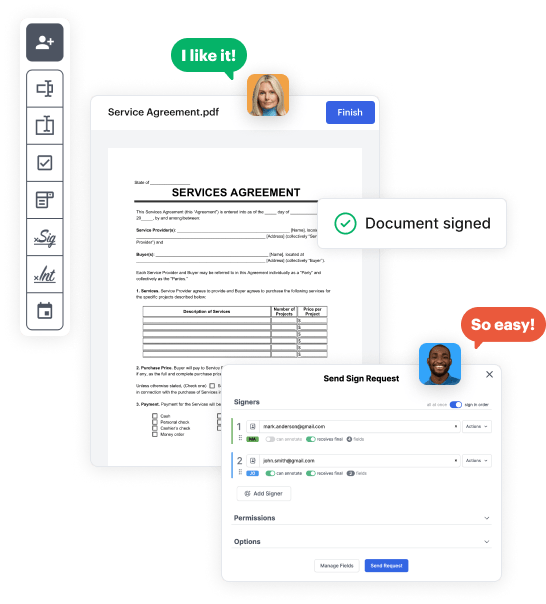
Use the top toolbar to insert fields like text and signature boxes, radio buttons, checkboxes, and more. Assign users to fields.
03. Distribute your form
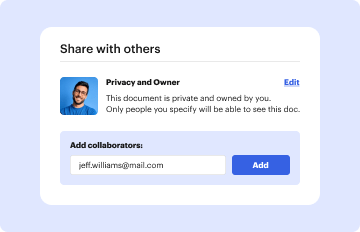
Share your Business Bylaws Package in seconds via email or a link. You can also download it, export it, or print it out.

Craft Business Bylaws Package from the ground up by following these step-by-step instructions

Form edit decoration

Step 1: Get started with DocHub.

Begin by signing up for a free DocHub account using any offered sign-up method. Simply log in if you already have one.

Step 2: Register for a free 30-day trial.

Try out the complete set of DocHub's pro features by registering for a free 30-day trial of the Pro plan and proceed to craft your Business Bylaws Package.

Step 3: Build a new empty doc.

In your dashboard, hit the New Document button > scroll down and hit Create Blank Document. You will be taken to the editor.

Step 4: Arrange the view of the document.

Utilize the Page Controls icon indicated by the arrow to switch between different page views and layouts for more convenience.

Step 5: Start adding fields to create the dynamic Business Bylaws Package.

Navigate through the top toolbar to add document fields. Add and arrange text boxes, the signature block (if applicable), embed images, etc.

Step 6: Prepare and customize the added fields.

Organize the fillable areas you added based on your chosen layout. Adjust each field's size, font, and alignment to make sure the form is straightforward and polished.

Step 7: Finalize and share your form.

Save the completed copy in DocHub or in platforms like Google Drive or Dropbox, or create a new Business Bylaws Package. Send out your form via email or use a public link to engage with more people.


be ready to get more

Build your Business Bylaws Package in minutes

Start creating now

Got questions?

We have answers to the most popular questions from our customers. If you can't find an answer to your question, please contact us.
Contact us
It is important to realize, however, that bylaws are not required as a matter of law with one exception. Bylaws are required when the articles of incorporation do not specify the number of directors in a corporation.
(c) (1) The bylaws may contain any provision, not in conflict with the articles, to manage and conduct the business affairs of the corporation effective only in an emergency as defined in Section 207, including, but not limited to, procedures for calling a board meeting, quorum requirements for a board meeting, and
Bylaws, legally required for corporations, are regulations that define the internal management of an organization and its operating procedures. It is created to define the roles of the board of directors, other officers, and shareholders.
Articles of incorporation are the primary law of an association used to establish the general organization and governing of the association to achieve corporate existence. Bylaws are the secondary law of an association best used to detail how the society is formed and run.
In some states, such as California, HOA bylaws are considered public record and must be made available upon request.
be ready to get more

Build your Business Bylaws Package in minutes

Start creating now

Related Q&A to Business Bylaws Package

California corporate bylaws define the internal rules and structure of a corporation and are adopted by the corporations board of directors, incorporators, and/or shareholders.
Your bylaws are a legally binding agreement and your members must adhere to them. Board members, officers, or employees who violate your bylaws could place your nonprofit in jeopardy by opening up the possibility for legal investigations and entanglements.
A companys corporate bylaws typically will start off with the most general information, such as the companys name, location, and the names of the directors and officers. There also will be a section on when and where shareholder meetings are held and perhaps a statement that the board may call meetings as needed.

Additional resources on building your forms


