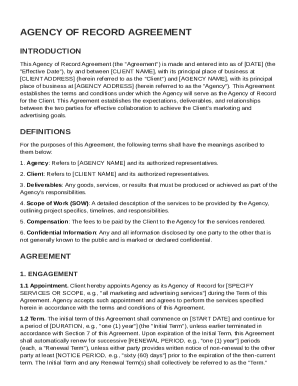
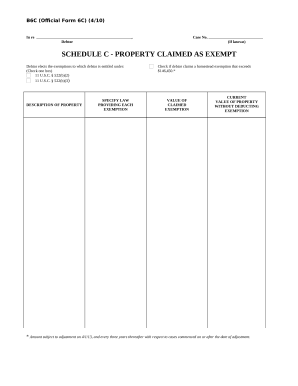
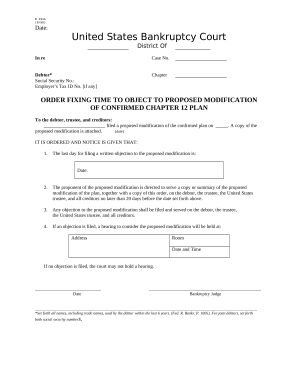
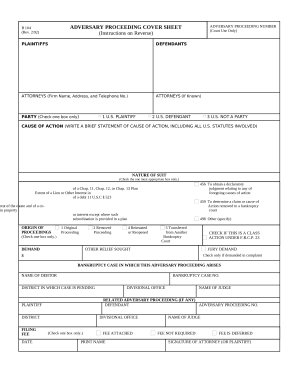

Get and manage Bankruptcy Legal Forms online

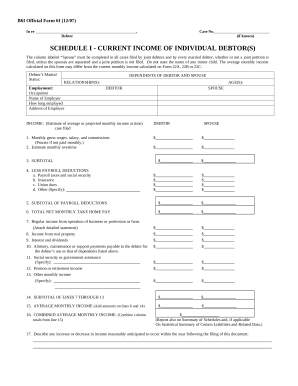
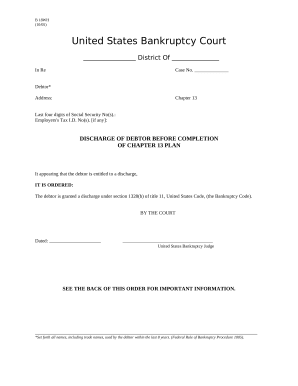
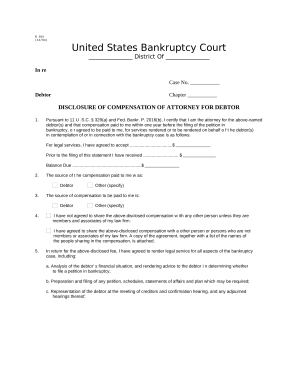
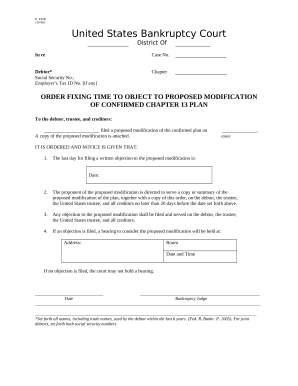
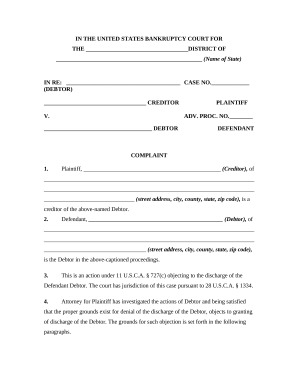
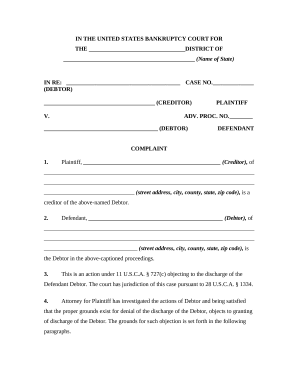
Speed up your document management with our Bankruptcy Legal Forms library with ready-made document templates that meet your needs. Access your form template, edit it, complete it, and share it with your contributors without breaking a sweat. Begin working more effectively with your documents.

How to use our Bankruptcy Legal Forms:

  1. Open our Bankruptcy Legal Forms and search for the form you need.
  2. Preview your form to ensure it’s what you want, and click Get Form to start working on it.
  3. Edit, include new text, or point out important information with DocHub features.
  4. Fill out your form and save the changes.
  5. Download or share your form template with other people.

Explore all the possibilities for your online file administration with the Bankruptcy Legal Forms. Get a totally free DocHub account right now!


Video Guide on Bankruptcy Legal Forms management

video background

Commonly Asked Questions about Bankruptcy Legal Forms

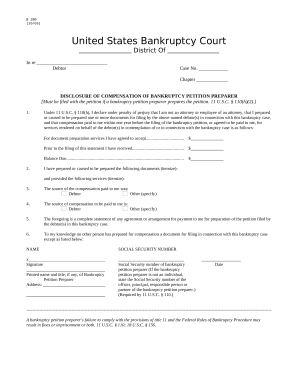
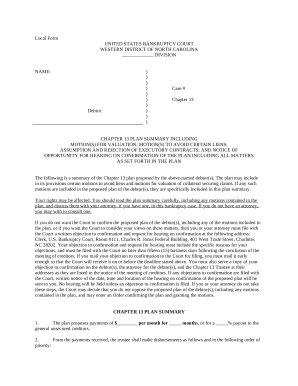
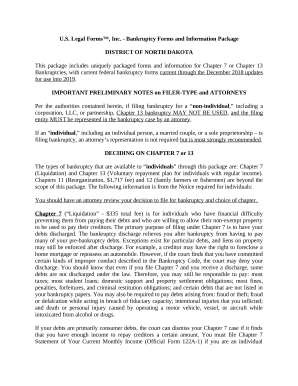
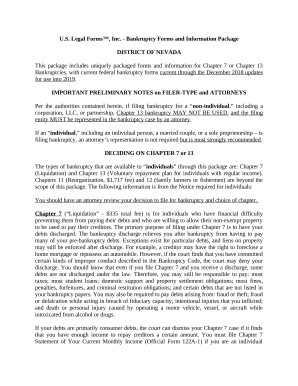
The most common types of bankruptcy are chapter 7, which are liquidating bankruptcy, and chapter 13 cases, often used by individuals who want to catch up on past due mortgage or car loan payments and keep their assets.
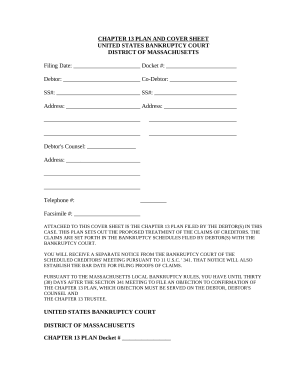
Or somewhat more accurately, Chapter 13 can give you more power over and flexibility with certain kinds of creditors, and if you have non-exempt assets. However, if you do not have those kinds of debt or assets, or not much in terms of tangible assets, then Chapter 7 would likely be the faster and easier option.
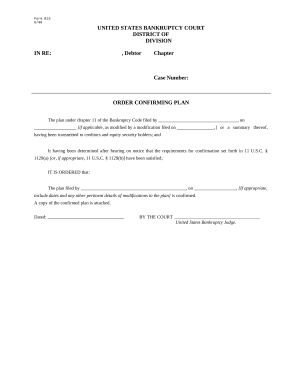
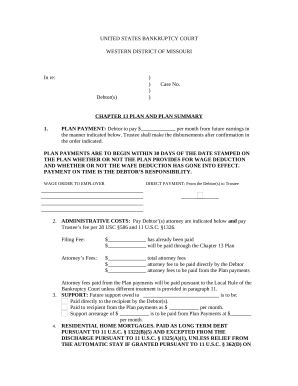
Background. A case filed under chapter 11 of the United States Bankruptcy Code is frequently referred to as a reorganization bankruptcy. Usually, the debtor remains in possession, has the powers and duties of a trustee, may continue to operate its business, and may, with court approval, borrow new money.
If you file for personal bankruptcy, you generally have two options: Chapter 7 or Chapter 13. A Chapter 7 bankruptcy will sell off many of your assets to pay your creditors. In a Chapter 13 bankruptcy, you keep the assets but must repay your debts over a specified period.