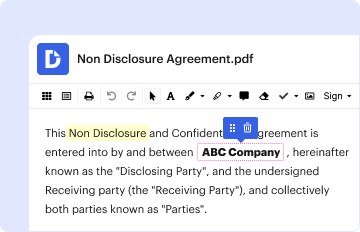
Create your Bankruptcy Form from scratch

Start Building Now
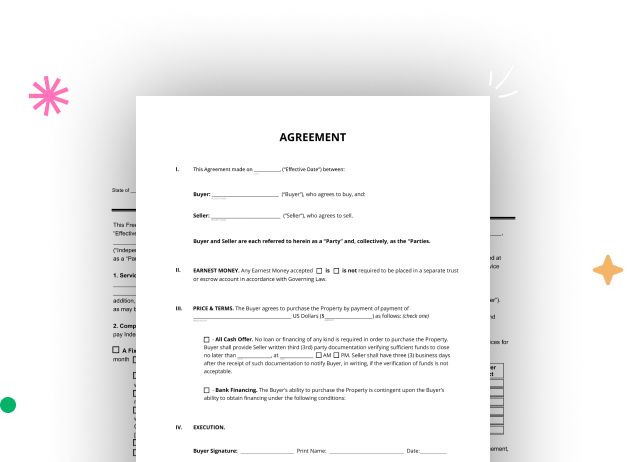
Title decoration

Here's how it works

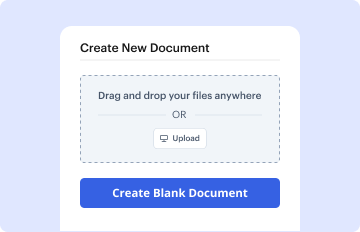
01. Start with a blank Bankruptcy Form
Open the blank document in the editor, set the document view, and add extra pages if applicable.
02. Add and configure fillable fields
Use the top toolbar to insert fields like text and signature boxes, radio buttons, checkboxes, and more. Assign users to fields.
03. Distribute your form
Share your Bankruptcy Form in seconds via email or a link. You can also download it, export it, or print it out.

Design your Bankruptcy Form in a matter of minutes
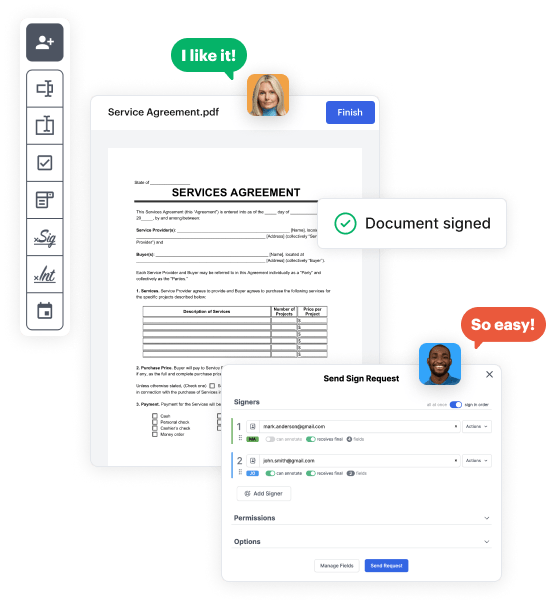
Form edit decoration

Step 1: Access DocHub to set up your Bankruptcy Form.

Start by logging into your DocHub account. Explore the advanced DocHub functionality free for 30 days.

Step 2: Navigate to the dashboard.

Once signed in, head to the DocHub dashboard. This is where you'll create your forms and manage your document workflow.

Step 3: Create the Bankruptcy Form.

Click on New Document and select Create Blank Document to be taken to the form builder.

Step 4: Set up the form layout.

Use the DocHub features to add and arrange form fields like text areas, signature boxes, images, and others to your form.

Step 5: Insert text and titles.

Add necessary text, such as questions or instructions, using the text tool to guide the users in your form.

Step 6: Configure field settings.

Modify the properties of each field, such as making them required or formatting them according to the data you expect to collect. Designate recipients if applicable.

Step 7: Review and save.

After you’ve managed to design the Bankruptcy Form, make a final review of your form. Then, save the form within DocHub, send it to your preferred location, or distribute it via a link or email.


be ready to get more

Build your Bankruptcy Form in minutes

Start creating now

Got questions?

We have answers to the most popular questions from our customers. If you can't find an answer to your question, please contact us.
Contact us
Involuntary bankruptcy is a legal process by which creditors can force an individual or business to enter into bankruptcy. The creditor must petition the courts to initiate the bankruptcy proceedings and the indebted party can file an objection to force a case.
Official Form 309C (For Corporations or Partnerships) Notice of Chapter 7 Bankruptcy Case - No Proof of Claim Deadline.
Most people prefer Chapter 7 bankruptcy because, unlike Chapter 13 bankruptcy, it doesnt require you to repay a portion of your debt to creditors. In Chapter 13 bankruptcy, you must pay your creditors all of your disposable incomethe amount remaining after allowed monthly expensesfor three to five years. Is It Better To File A Chapter 7 or 13 Bankruptcy? - Nolo Nolo legal-encyclopedia is-it-better Nolo legal-encyclopedia is-it-better
Chapter 7 Chapter 7 and Chapter 13 are the most commonly filed types of bankruptcy, likely because these are available to individual consumers. Bankruptcy is one way to discharge your debts, but it has a negative and lasting impact on your credit. The 5 Most Common Types of Bankruptcy - Bankrate Bankrate personal-finance debt m Bankrate personal-finance debt m
While filing Chapter 7 or Chapter 13 bankruptcy can be scary, it can also improve your quality of life. Creditors and collection agencies will stop calling and writing to you. Your credit score may stop going down each month. Advantages and Disadvantages of Chapter 7 Bankruptcy - FindLaw FindLaw bankruptcy chapter-7 pro FindLaw bankruptcy chapter-7 pro
be ready to get more

Build your Bankruptcy Form in minutes

Start creating now

Related Q&A to Bankruptcy Form

It might be time to declare bankruptcy, if, for example, you have large debts that you cant repay, are behind in your mortgage payments and are in danger of foreclosure, or are getting calls from bill collectors. Bankruptcy can often reduce or eliminate your debts, save your home, and keep bill collectors at bay. When to Declare Bankruptcy - Investopedia Investopedia articles personal-finance Investopedia articles personal-finance
Or somewhat more accurately, Chapter 13 can give you more power over and flexibility with certain kinds of creditors, and if you have non-exempt assets. However, if you do not have those kinds of debt or assets, or not much in terms of tangible assets, then Chapter 7 would likely be the faster and easier option.
Official Form 309F1 (For Corporations or Partnerships) Notice of Chapter 11 Bankruptcy Case.

Additional resources on building your forms