
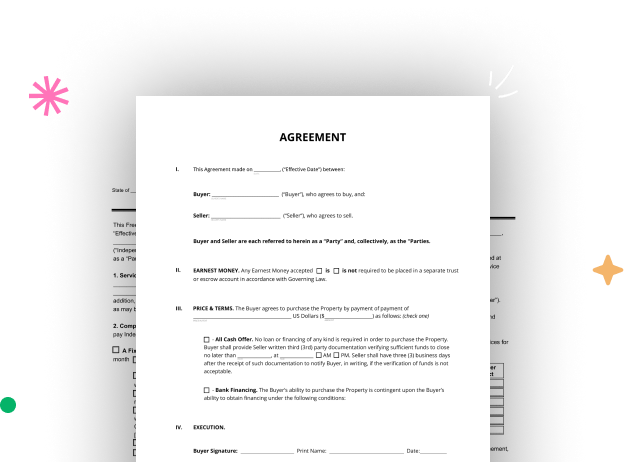

Create your Anatomical Gift Act Form from scratch

Start Building Now
Title decoration

Here's how it works

01. Start with a blank Anatomical Gift Act Form
Open the blank document in the editor, set the document view, and add extra pages if applicable.
02. Add and configure fillable fields
Use the top toolbar to insert fields like text and signature boxes, radio buttons, checkboxes, and more. Assign users to fields.
03. Distribute your form
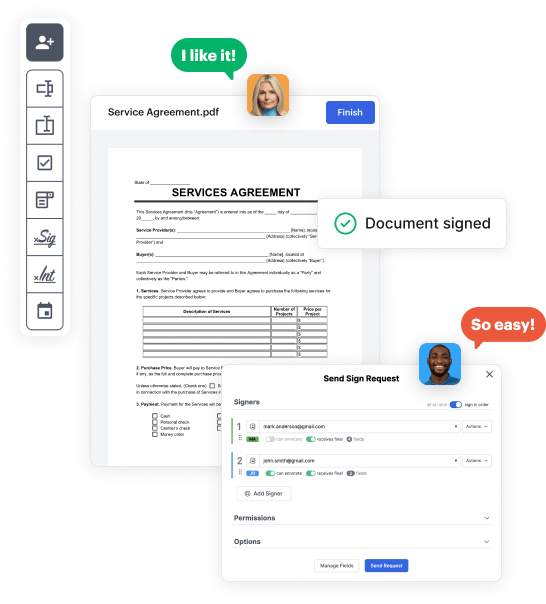
Share your Anatomical Gift Act Form in seconds via email or a link. You can also download it, export it, or print it out.

Create Anatomical Gift Act Form from scratch by following these step-by-step guidelines

Form edit decoration

Step 1: Get started with DocHub.

Start by creating a free DocHub account using any offered sign-up method. If you already have one, simply log in.

Step 2: Register for a free 30-day trial.

Try out the entire set of DocHub's pro tools by registering for a free 30-day trial of the Pro plan and proceed to craft your Anatomical Gift Act Form.

Step 3: Create a new blank form.

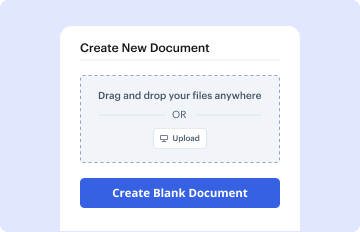
In your dashboard, choose the New Document button > scroll down and choose to Create Blank Document. You’ll be taken to the editor.

Step 4: Arrange the view of the document.

Use the Page Controls icon indicated by the arrow to toggle between different page views and layouts for more flexibility.

Step 5: Begin by adding fields to design the dynamic Anatomical Gift Act Form.

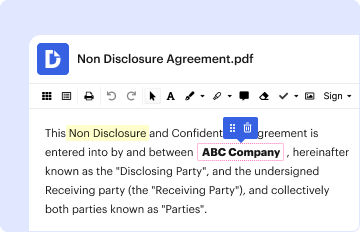
Navigate through the top toolbar to place document fields. Insert and configure text boxes, the signature block (if applicable), embed images, etc.

Step 6: Prepare and configure the added fields.

Arrange the fillable areas you added per your desired layout. Personalize each field's size, font, and alignment to ensure the form is straightforward and professional.

Step 7: Finalize and share your document.

Save the completed copy in DocHub or in platforms like Google Drive or Dropbox, or craft a new Anatomical Gift Act Form. Distribute your form via email or use a public link to engage with more people.


be ready to get more

Build your Anatomical Gift Act Form in minutes

Start creating now

Got questions?

We have answers to the most popular questions from our customers. If you can't find an answer to your question, please contact us.
Contact us
Some medical conditions, such as contagious diseases and extreme emaciation or obesity, can render a body unacceptable for scientific study. Additionally, certain circumstances of death may preclude donation. A final decision can only be made at the time of death.
Whole body donation is a form of non-transplant anatomical donation made under the Darlene Luther Uniform Anatomical Gift Act. Typically, donation authorization is completed prior to death on behalf of the individual.
Originally enacted in 1968, the Uniform Anatomical Gift Act is a federal framework that sets how anatomical gifts can be made. Every state has enacted the provisions of the act in some form.
Any competent person 18 years of age or older can donate their body for medical education and research. You can make your wishes known by completing an Anatomical Gift Declaration of Consent. This does not require the services of a lawyer or notary. The form must be signed by two witnesses.
thereof, has been delivered to a specified donee, the donor may amend or revoke the gift by (1) the execution and delivery to the donee of a signed state- ment, or (2) an oral statement made in the presence of two persons and communicated to the donee, or (3) a statement during a terminal illness or injury addressed
be ready to get more

Build your Anatomical Gift Act Form in minutes

Start creating now

Related Q&A to Anatomical Gift Act Form

(2) Declaration means a record signed by a prospective donor specifying the circumstances under which a life-support system may be withheld or withdrawn from the prospective donor. (3) Health care decision means any decision made regarding the health care of the prospective donor.
An anatomical gift is a donation of all or part of a human body, after death, for the purpose of transplantation, therapy, research, or education.

Additional resources on building your forms

