
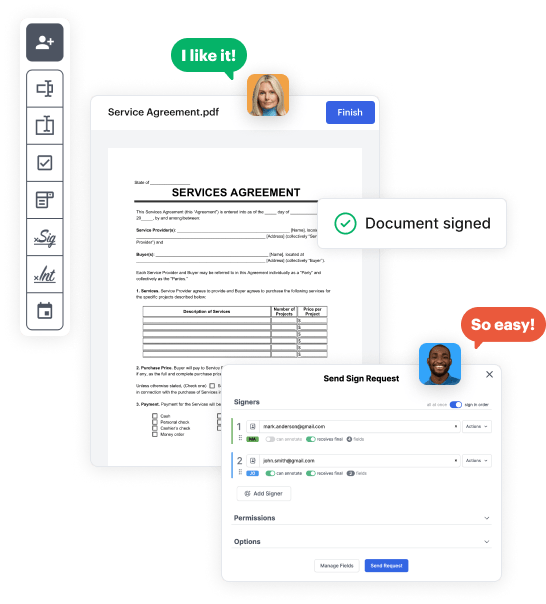
Create your Alabama State Law from scratch

Start Building Now
Title decoration

Here's how it works

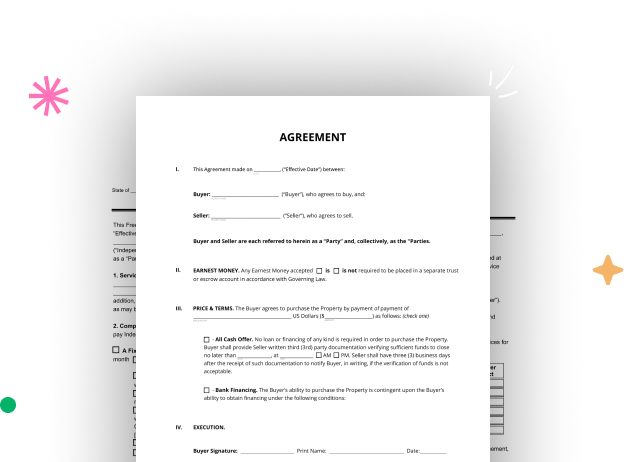
01. Start with a blank Alabama State Law
Open the blank document in the editor, set the document view, and add extra pages if applicable.
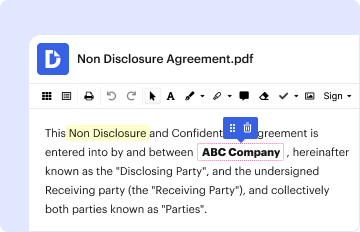
02. Add and configure fillable fields
Use the top toolbar to insert fields like text and signature boxes, radio buttons, checkboxes, and more. Assign users to fields.
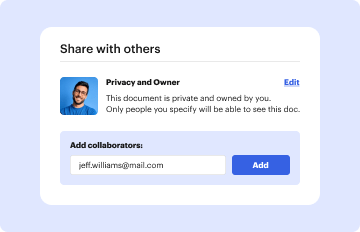
03. Distribute your form
Share your Alabama State Law in seconds via email or a link. You can also download it, export it, or print it out.

A quick tutorial on how to set up a polished Alabama State Law

Form edit decoration

Step 1: Log in to DocHub to create your Alabama State Law.

First, log in to your DocHub account. If you don't have one, you can simply sign up for free.

Step 2: Navigate to the dashboard.

Once signed in, go to your dashboard. This is your central hub for all document-related tasks.

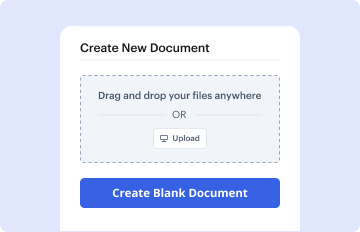
Step 3: Launch new document creation.

In your dashboard, click on New Document in the upper left corner. Opt for Create Blank Document to create the Alabama State Law from the ground up.

Step 4: Insert form fillable areas.

Place various items like text boxes, images, signature fields, and other elements to your form and designate these fields to intended recipients as required.

Step 5: Configure your document.

Customize your form by incorporating directions or any other necessary details utilizing the text option.

Step 6: Review and correct the form.

Attentively go over your created Alabama State Law for any mistakes or essential adjustments. Make use of DocHub's editing capabilities to enhance your document.

Step 7: Share or download the document.

After completing, save your copy. You may opt to retain it within DocHub, export it to various storage platforms, or forward it via a link or email.


be ready to get more

Build your Alabama State Law in minutes

Start creating now

Got questions?

We have answers to the most popular questions from our customers. If you can't find an answer to your question, please contact us.
Contact us
The CHOOSE Act, signed into law by Gov. Kay Ivey on March 7, 2024, makes refundable income tax credits called education savings accounts (ESAs), available to support the success of every K-12 student in Alabama.
Through a delegation of his authority, the President makes an agency responsible for implementing the law. The agency then can issue administrative regulations explaining how it intends to put the law into effect and/or what a citizen must do to comply with the law.
These ideas can come from anybody and the process begins when either an individual or group persuades a Member of the Legislature to author a bill. The Member then sends the idea and the language for the bill to the Legislative Counsels Office, where it is drafted into the actual bill.
Lawmaking body presents proposed law in a public meeting so other people can hear about it and comment on it. If there is one, the city council (or other lawmaking body) votes on the proposed law. If the body votes no, the process ends here; if yes, the proposed law is passed on to the chief executive.
A bill is a proposed law which is introduced into Parliament. Once a bill has been debated and then approved by each House of Parliament, and has received Royal Assent, it becomes law and is known as an act. Any Member of Parliament can introduce a bill.
be ready to get more

Build your Alabama State Law in minutes

Start creating now

Related Q&A to Alabama State Law

An Act of Parliament creates a new law or changes an existing law. An Act is a Bill that has been approved by both the House of Commons and the House of Lords and been given Royal Assent by the Monarch. Taken together, Acts of Parliament make up what is known as Statute Law in the UK.
Alabama has a bicameral legislature, named the Alabama Legislature, which consists of the House of Representatives and the Alabama State Senate. The House has 105 members representing 105 districts, with members serving a four-year term.
All legislative power in the government is vested in Congress, meaning that it is the only part of the government that can make new laws or change existing laws.

Additional resources on building your forms


