


Create your Adult Children Divorce Agreement from scratch

Start Building Now
Title decoration

Here's how it works

01. Start with a blank Adult Children Divorce Agreement
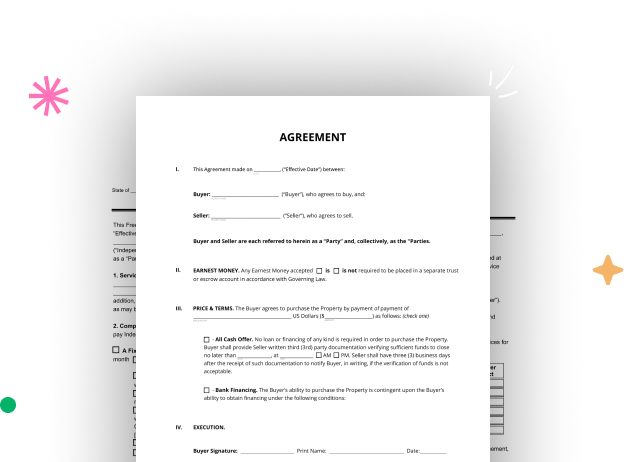
Open the blank document in the editor, set the document view, and add extra pages if applicable.
02. Add and configure fillable fields
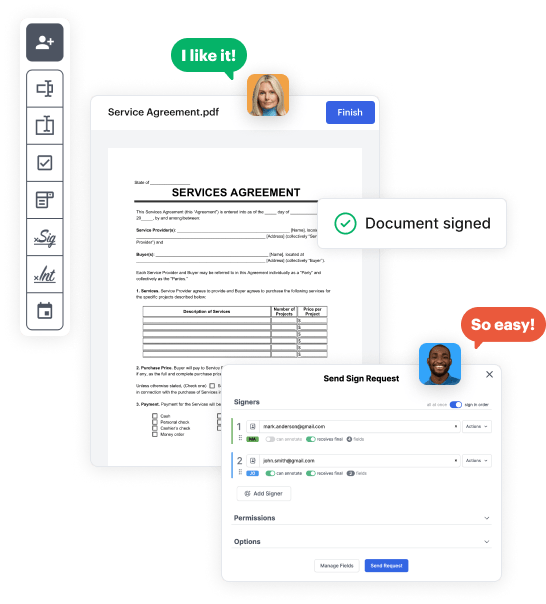
Use the top toolbar to insert fields like text and signature boxes, radio buttons, checkboxes, and more. Assign users to fields.
03. Distribute your form
Share your Adult Children Divorce Agreement in seconds via email or a link. You can also download it, export it, or print it out.

A simple guide on how to create a professional-looking Adult Children Divorce Agreement

Form edit decoration

Step 1: Log in to DocHub to create your Adult Children Divorce Agreement.

First, log in to your DocHub account. If you don't have one, you can simply sign up for free.

Step 2: Go to the dashboard.

Once you’re in, go to your dashboard. This is your central hub for all document-based tasks.

Step 3: Launch new document creation.

In your dashboard, choose New Document in the upper left corner. Hit Create Blank Document to create the Adult Children Divorce Agreement from a blank slate.

Step 4: Add template fillable areas.

Add numerous fields like text boxes, images, signature fields, and other fields to your template and assign these fields to particular recipients as required.

Step 5: Fine-tune your template.

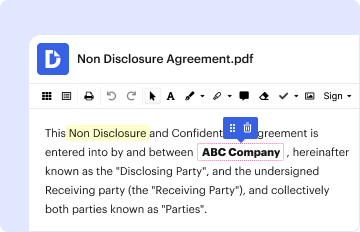
Customize your document by incorporating walkthroughs or any other necessary information utilizing the text option.

Step 6: Go over and modify the document.

Thoroughly review your created Adult Children Divorce Agreement for any inaccuracies or essential adjustments. Take advantage of DocHub's editing tools to perfect your template.

Step 7: Share or export the template.

After completing, save your file. You may choose to retain it within DocHub, export it to various storage services, or forward it via a link or email.


be ready to get more

Build your Adult Children Divorce Agreement in minutes

Start creating now

Got questions?

We have answers to the most popular questions from our customers. If you can't find an answer to your question, please contact us.
Contact us
Acknowledge and empathize with your adult childs struggles. Chances are he/she doesnt feel particularly good about being stuck in this situation. Try to keep interactions positive whenever possible. Dont forget to give credit, compliments, or praise
Practice self-care. Your parents divorcing can be emotionally draining, so it is important to take care of yourself. Make time for activities you enjoy, and spend time with supportive family and friends, prioritise self-care practices such as exercise, meditation, or therapy.
Tell your children together, if at all possible. This way, they can use each other as a support system in that moment. Avoid blame. At the time you break this news of your divorce, assigning blame to either you or your husband in any way could alienate the children from either of you.
Five Ways Parents Can Improve Relationships with Adult Children Communicate About Communication. Re-Evaluate Your Role. Dont Be Disrespectful. Understand Your Reactions And Theirs. Narrative Therapy to Improve Relationships with Adult Children.
Here are thirteen ways to respond to a disrespectful grown child: Take a Deep Breath Before Responding. Remain Respectful. Set Clear Boundaries. Consistently Reinforce the Boundaries. Make Sure You Have Realistic Expectations. Be Open to Listening Empathizing. Acknowledge Your Mistakes Apologize.
be ready to get more

Build your Adult Children Divorce Agreement in minutes

Start creating now

Related Q&A to Adult Children Divorce Agreement

To support children during a separation and help them with their worries, you should: remind them that both parents love them. be honest when talking about it, but keep in mind the childs age and understanding. avoid blame and dont share any negative feelings the adults have about each other.
Acknowledge your childs emotions and provide a listening ear. As the parent of an adult child who is going through a divorce, it is important to acknowledge their emotional needs. Listen to their concerns and feelings without judgement or criticism so that they feel comfortable expressing themselves.
Your feelings of shock, anger, worry, sadness, anxiety, and grief are valid, and you are not alone. Research indicates that at least half of adult children of all ages report a range of negative emotions about their parents divorce, yet they eventually are willing to resolve the issues with their parents.

Additional resources on building your forms


