
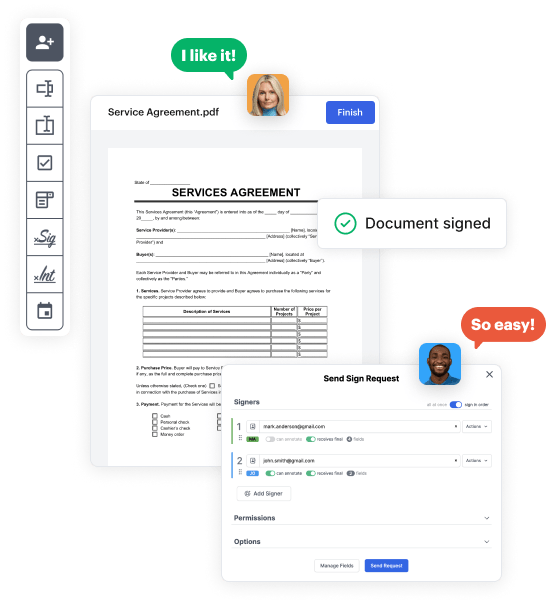
Create your Trust deed Donation Form from scratch

Start Building Now
Title decoration

Here's how it works

01. Start with a blank Trust deed Donation Form
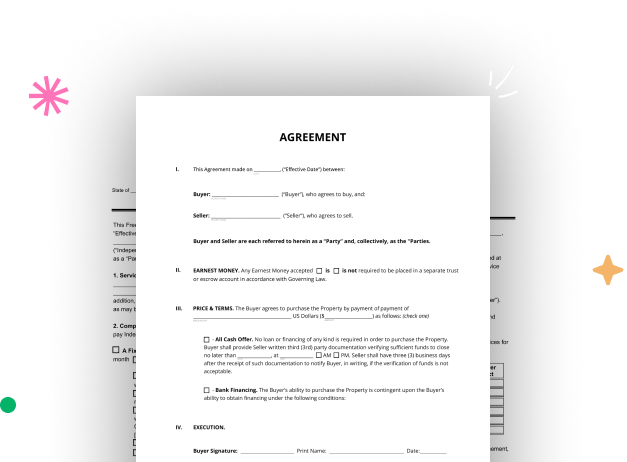
Open the blank document in the editor, set the document view, and add extra pages if applicable.
02. Add and configure fillable fields
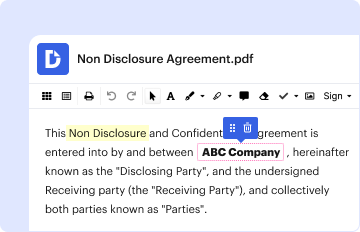
Use the top toolbar to insert fields like text and signature boxes, radio buttons, checkboxes, and more. Assign users to fields.
03. Distribute your form
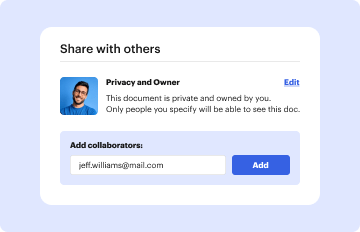
Share your Trust deed Donation Form in seconds via email or a link. You can also download it, export it, or print it out.

A detailed walkthrough of how to build your Trust deed Donation Form online

Form edit decoration

Step 1: Start with DocHub's free trial.

Go to the DocHub website and register for the free trial. This provides access to every feature you’ll need to build your Trust deed Donation Form with no upfront cost.

Step 2: Navigate to your dashboard.

Log in to your DocHub account and navigate to the dashboard.

Step 3: Craft a new document.

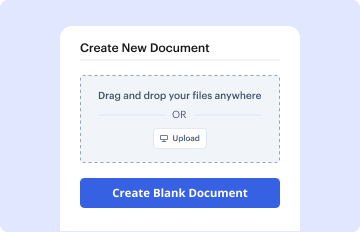
Click New Document in your dashboard, and choose Create Blank Document to design your Trust deed Donation Form from scratch.

Step 4: Use editing tools.

Place various fields such as text boxes, radio buttons, icons, signatures, etc. Organize these fields to suit the layout of your form and assign them to recipients if needed.

Step 5: Organize the form layout.

Rearrange your form quickly by adding, repositioning, deleting, or merging pages with just a few clicks.

Step 6: Craft the Trust deed Donation Form template.

Convert your newly crafted form into a template if you need to send multiple copies of the same document repeatedly.

Step 7: Save, export, or distribute the form.

Send the form via email, distribute a public link, or even publish it online if you want to collect responses from a broader audience.


be ready to get more

Build your Trust deed Donation Form in minutes

Start creating now

Got questions?

We have answers to the most popular questions from our customers. If you can't find an answer to your question, please contact us.
Contact us
Disadvantages of a trust deed If you do not cooperate with the trustee, they can try to make you bankrupt. You cannot continue to be the director of a limited company unless your trustee agrees and unless the rules of the limited company allow you to enter into a trust deed.
Your Assets Might Not Be Protected: Another crucial point to note is that not all trusts offer protection from creditors. For instance, in revocable trusts, the assets are not protected from creditors as the grantor retains control of the assets. Potential Tax Burdens: Finally, trusts can carry potential tax burdens.
To change the trust deed itself, you must execute a deed of variation. This is a document that updates the relevant section of the original trust deed. The deed of variation forms part of the documentation of your discretionary trust and details how the trust deed has been changed over time.
Rich people frequently place their homes and other financial assets in trusts to reduce taxes and give their wealth to their beneficiaries. They may also do this to protect their property from divorce proceedings and frivolous lawsuits.
Lets explore these drawbacks in detail. Loss of Direct Ownership. One disadvantage of placing your house in a trust is the loss of direct ownership. Potential Complexity and Administrative Burden. Potential for Increased Costs. No Asset Protection Benefits. Limited Tax Advantages. No Protection Against Creditors.
be ready to get more

Build your Trust deed Donation Form in minutes

Start creating now

Related Q&A to Trust deed Donation Form

In a Trust Deed, what happens to my bank account? If you do not owe your existing bank any money it is unlikely you would need to change banks. However, if you have an overdraft or other debt with your bank then you will need change banks and arrange for your salary/wages to be paid into a new account.
The primary difference between a deed and a deed of trust is the purpose of each document. A deed transfers ownership of a property from one party to another, while a deed of trust secures a loan on a property.
How to get a Deed of Trust The borrower, lender, and trustees names and addresses. The property address. The amount being borrowed. The interest rate. The interest adjustment date. The frequency of principal and interest payments. The payment amounts and due dates. The due date of the final payment.

Additional resources on building your forms