
Create your Financial for small Business Plan Template from scratch

Start Building Now
Title decoration

Here's how it works

01. Start with a blank Financial for small Business Plan Template
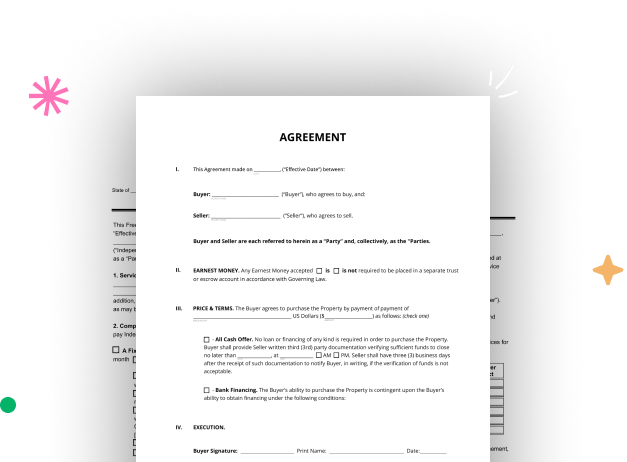
Open the blank document in the editor, set the document view, and add extra pages if applicable.
02. Add and configure fillable fields
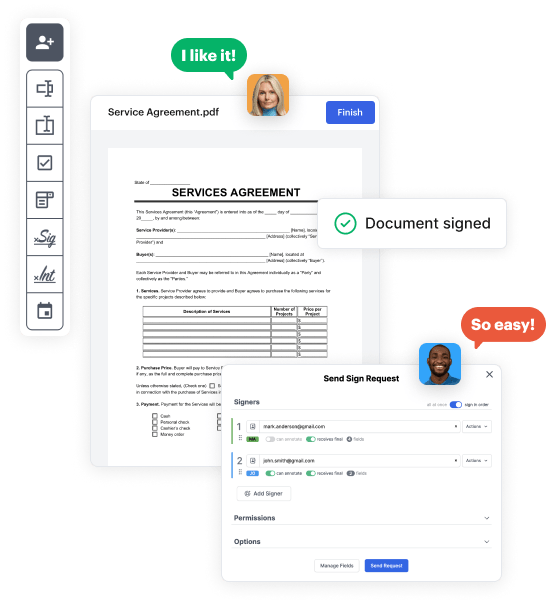
Use the top toolbar to insert fields like text and signature boxes, radio buttons, checkboxes, and more. Assign users to fields.
03. Distribute your form
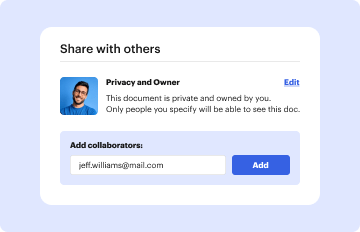
Share your Financial for small Business Plan Template in seconds via email or a link. You can also download it, export it, or print it out.

Design your Financial for small Business Plan Template in a matter of minutes

Form edit decoration

Step 1: Access DocHub to build your Financial for small Business Plan Template.

Begin by accessing your DocHub account. Try out the pro DocHub functionality free for 30 days.

Step 2: Go to the dashboard.

Once logged in, go to the DocHub dashboard. This is where you'll create your forms and handle your document workflow.

Step 3: Create the Financial for small Business Plan Template.

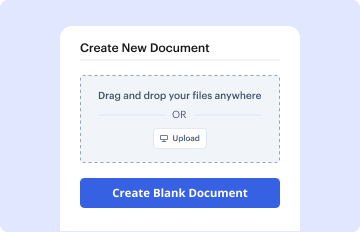
Click on New Document and select Create Blank Document to be taken to the form builder.

Step 4: Set up the form layout.

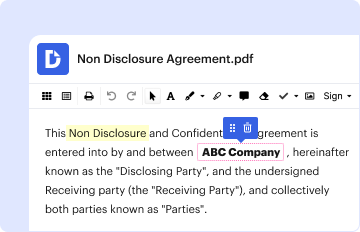
Use the DocHub toolset to insert and configure form fields like text areas, signature boxes, images, and others to your form.

Step 5: Add text and titles.

Include needed text, such as questions or instructions, using the text tool to guide the users in your document.

Step 6: Configure field settings.

Alter the properties of each field, such as making them required or arranging them according to the data you expect to collect. Designate recipients if applicable.

Step 7: Review and save.

After you’ve managed to design the Financial for small Business Plan Template, make a final review of your form. Then, save the form within DocHub, transfer it to your preferred location, or share it via a link or email.


be ready to get more

Build your Financial for small Business Plan Template in minutes

Start creating now

Got questions?

We have answers to the most popular questions from our customers. If you can't find an answer to your question, please contact us.
Contact us
Here are the steps for creating accurate financial projections for your business. Start With A Sales Projection. Create Your Expense Projection. Create Your Balance Sheet Projection. Make Your Income Statement Projection. Finally, Create Your Cash Flow Projection. Income Statement. Cash Flow Statement. Balance Sheet.
9 steps in financial planning Set financial goals. A good financial plan is guided by your financial goals. Track your money. Budget for emergencies. Tackle high-interest debt. Plan for retirement. Optimize your finances with tax planning. Invest to build your future goals. Grow your financial well-being.
What Goes on an Income Statement? Revenues (or Sales) This is the top line on your income statement. Cost of Goods Sold (or Cost of Sales) Gross Profit. Selling, General, and Administrative Expenses. Operating Income. Finance Costs. Net Income. What About Income Taxes?
Below are the steps for creating a generic simple business plan, which are reflected in the template below. Write the Executive Summary. Add a Company Overview. Provide the Problem and Solution. Identify the Target Market. Write About the Competition. Describe Your Product or Service Offerings. Outline Your Marketing Tactics.
Business Financial Plan Examples Financial worksheets, financial statements, and Cash flow projections are all included in a business financial plan. Financial worksheets, financial statements, and cash flow projections will show what money is coming in, your revenue, and also what is going out, your expenses.
be ready to get more

Build your Financial for small Business Plan Template in minutes

Start creating now

Related Q&A to Financial for small Business Plan Template

Here are some steps that you can take to create the financial section of a business plan: Create a sales forecast. Detail the expenses. Create a cash flow statement. Forecast income projections. Created a forecasted balance sheet. Understand your break-even point.
But in general, all financial plans should contain the following key elements: Business Financial Goals. Current Financials and Assets. Financial Timeline. Create a Profit and Loss Statement. Determine Your Operating and Net Income. Calculate Your Cash Flow Statement. Make Your Balance Sheet. Project Sales or Revenue.

Additional resources on building your forms