

Create your New hampshire tax Business Form from scratch

Start Building Now
Title decoration

Here's how it works

01. Start with a blank New hampshire tax Business Form
Open the blank document in the editor, set the document view, and add extra pages if applicable.
02. Add and configure fillable fields
Use the top toolbar to insert fields like text and signature boxes, radio buttons, checkboxes, and more. Assign users to fields.
03. Distribute your form
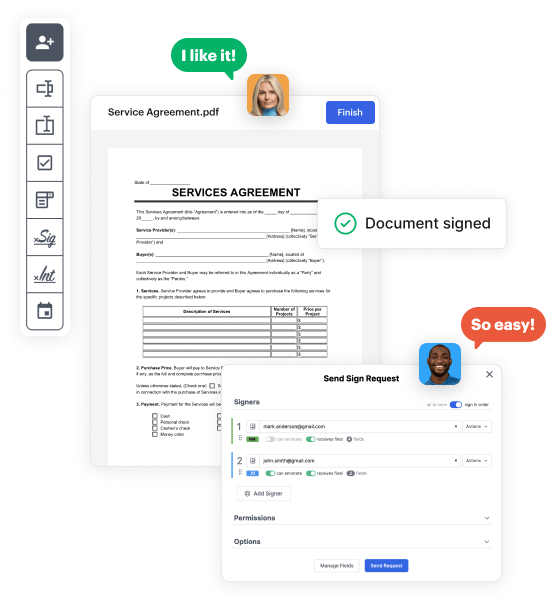
Share your New hampshire tax Business Form in seconds via email or a link. You can also download it, export it, or print it out.

Create New hampshire tax Business Form from the ground up with these detailed instructions

Form edit decoration

Step 1: Open DocHub and get going.

Begin by creating a free DocHub account using any available sign-up method. If you already have one, simply log in.

Step 2: Sign up for a 30-day free trial.

Try out the entire set of DocHub's advanced features by signing up for a free 30-day trial of the Pro plan and proceed to build your New hampshire tax Business Form.

Step 3: Create a new blank doc.

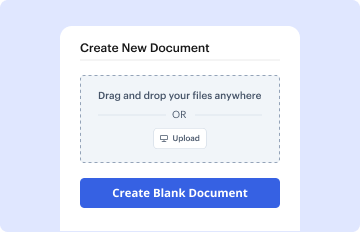
In your dashboard, hit the New Document button > scroll down and choose to Create Blank Document. You will be redirected to the editor.

Step 4: Organize the document’s view.

Use the Page Controls icon marked by the arrow to toggle between different page views and layouts for more convenience.

Step 5: Start adding fields to create the dynamic New hampshire tax Business Form.

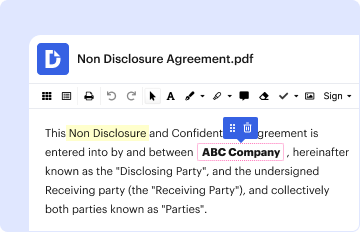
Explore the top toolbar to add document fields. Insert and configure text boxes, the signature block (if applicable), embed images, etc.

Step 6: Prepare and configure the added fields.

Organize the fields you added per your preferred layout. Adjust the size, font, and alignment to ensure the form is easy to use and polished.

Step 7: Finalize and share your form.

Save the ready-to-go copy in DocHub or in platforms like Google Drive or Dropbox, or design a new New hampshire tax Business Form. Distribute your form via email or use a public link to engage with more people.


be ready to get more

Build your New hampshire tax Business Form in minutes

Start creating now

Got questions?

We have answers to the most popular questions from our customers. If you can't find an answer to your question, please contact us.
Contact us
Rev 906.02 - Form DP-10, Interest and Dividends Tax Return. (a) Form DP-10, interest and dividends tax return, shall be completed and filed by taxpayers subject to the interest and dividends tax to report their income to the department on the 15th day of the 4th month following the end of the taxable period.
If you need to request forms, please email Forms@dra.nh.gov or call the Forms Line at (603) 230-5001. If you have a substantive question or need assistance completing a form, please contact Taxpayer Services at (603) 230-5920.
On the state level, New Hampshire also directly taxes LLCs making income over certain thresholds through a business profits tax and a business enterprise tax. While it has no general state income tax, LLC members may be subject to a tax on interest and dividend income until it is phased out in 2027.
LLCs in New Hampshire are classified as pass-through entities by default, with LLC members paying federal income tax through their own individual returns. On the state level, New Hampshire also directly taxes LLCs making income over certain thresholds through a business profits tax and a business enterprise tax.
Individuals: Individuals who are residents or inhabitants of New Hampshire for any part of the tax year must file a return if they received more than $2,400 of gross interest and/or dividend income for a single individual or $4,800 of such income for a married couple filing a joint New Hampshire return.
be ready to get more

Build your New hampshire tax Business Form in minutes

Start creating now

Related Q&A to New hampshire tax Business Form

Income Tax: All businesses except partnerships must file an annual income tax return. Partnerships file an information return. 2. Self-Employment Tax: Self-employment tax (SE tax) is a social security and Medicare tax primarily for individuals who work for themselves.
Business Enterprise Tax Business Profits Tax For taxable periods beginning on or after January 1, 2023, every business enterprise with more than $281,000 of gross receipts from all activities, or an enterprise value tax base of more than $281,000, must file a BET return. The filing threshold is adjusted biennially.

Additional resources on building your forms