Get and handle General Business Forms online

Improve your form management with the General Business Forms category with ready-made form templates that suit your requirements. Access your document template, edit it, complete it, and share it with your contributors without breaking a sweat. Begin working more efficiently together with your forms.

How to use our General Business Forms:

  1. Open our General Business Forms and find the form you require.
  2. Preview your form to ensure it’s what you want, and click on Get Form to begin working on it.
  3. Change, include new text, or highlight important information with DocHub tools.
  4. Fill out your form and preserve the changes.
  5. Download or share your document template with other recipients.

Explore all of the opportunities for your online document administration with our General Business Forms. Get a free free DocHub profile today!


Video Guide on General Business Forms management

video background

Commonly Asked Questions about General Business Forms

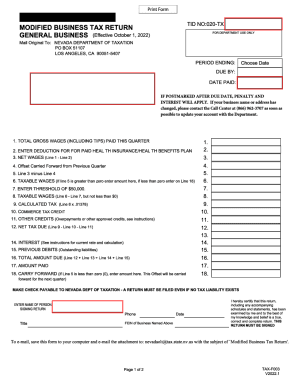
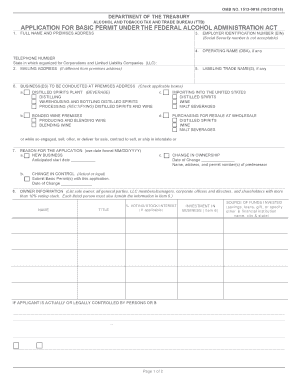
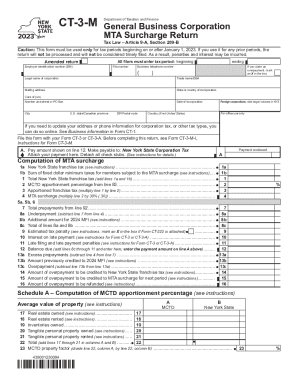
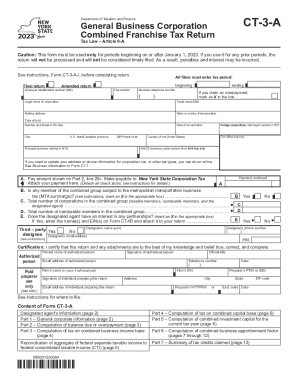
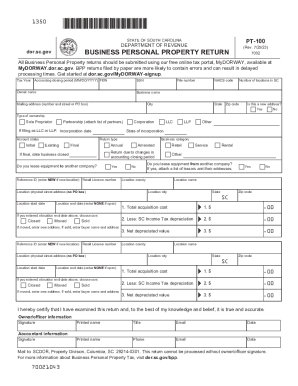
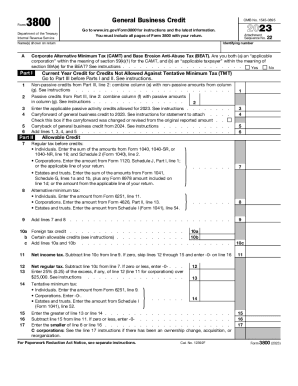
A quick definition of business form: A business form is a type of document that is used for record-keeping and other business purposes. It is usually blank and needs to be filled in with information before it can convey any meaning. Blank forms are not protected by copyright law.
Forms are all about collecting and presenting information that organizations rely on to conduct their business operations, whether these are with customers, the public or internal staff.
Choosing a legal structure (or business form) is one of the first things you will do when you start your business. The main types of business forms include sole proprietorships, partnerships, corporations, and limited liability companies (LLCs), each with their own advantages and drawbacks.
Business forms in accounting serve the purpose of providing information to make effective decisions in the management system of a business entity. They allow for informed management decisions, monitoring of their implementation, and the correct and complete use of available resources.
The following are some of the important factors business owners should consider when selecting a form of ownership. Cost of Start-up. Control vs. Profitsto Share or Not to Share. Taxation. Entrepreneurial Ability. Risk Tolerance. Financing. Continuity and Transferability.
The three major forms of business ownership in the U.S. are sole proprietorships, partnerships, and corporations.