

Create your Statement of income and retained earnings Balance Sheet Template from scratch

Start Building Now
Title decoration

Here's how it works

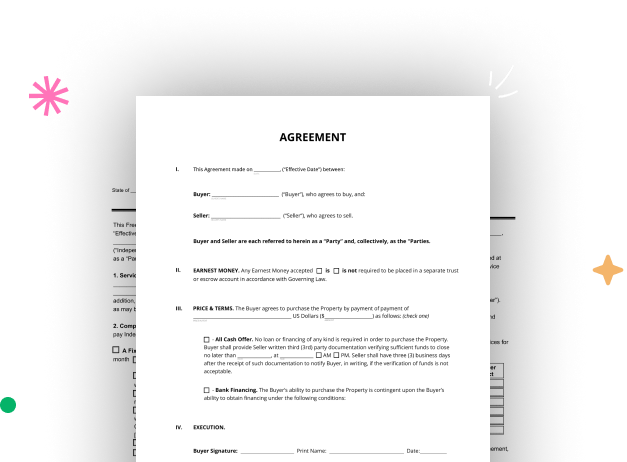
01. Start with a blank Statement of income and retained earnings Balance Sheet Template
Open the blank document in the editor, set the document view, and add extra pages if applicable.
02. Add and configure fillable fields
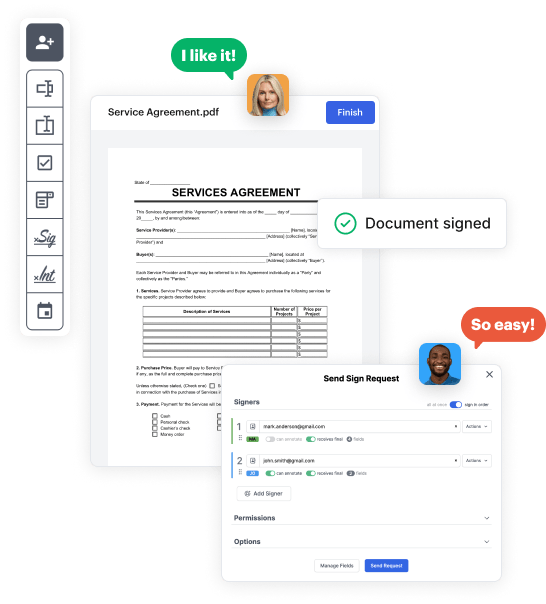
Use the top toolbar to insert fields like text and signature boxes, radio buttons, checkboxes, and more. Assign users to fields.
03. Distribute your form
Share your Statement of income and retained earnings Balance Sheet Template in seconds via email or a link. You can also download it, export it, or print it out.

A quick guide on how to create a polished Statement of income and retained earnings Balance Sheet Template

Form edit decoration

Step 1: Sign in to DocHub to begin creating your Statement of income and retained earnings Balance Sheet Template.

First, log in to your DocHub account. If you don't have one, you can easily register for free.

Step 2: Go to the dashboard.

Once you’re in, go to your dashboard. This is your main hub for all document-focused activities.

Step 3: Start new document creation.

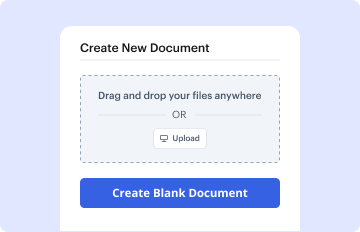
In your dashboard, click on New Document in the upper left corner. Opt for Create Blank Document to craft the Statement of income and retained earnings Balance Sheet Template from the ground up.

Step 4: Incorporate template fillable areas.

Add different fields like text boxes, images, signature fields, and other elements to your template and designate these fields to particular individuals as needed.

Step 5: Customize your template.

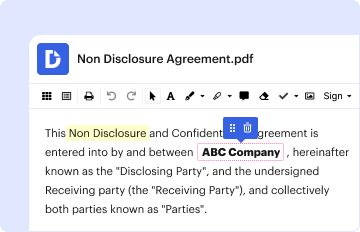
Personalize your form by adding instructions or any other required details leveraging the text option.

Step 6: Review and modify the document.

Attentively go over your created Statement of income and retained earnings Balance Sheet Template for any discrepancies or necessary adjustments. Make use of DocHub's editing tools to enhance your template.

Step 7: Distribute or download the template.

After finalizing, save your file. You may select to retain it within DocHub, transfer it to various storage platforms, or send it via a link or email.


be ready to get more

Build your Statement of income and retained earnings Balance Sheet Template in minutes

Start creating now

Got questions?

We have answers to the most popular questions from our customers. If you can't find an answer to your question, please contact us.
Contact us
In some cases, a companys financial statements dont include a separate statement of retained earnings. In this event, the information is typically included in the income statement or balance sheet, or as an addendum to one of those documents.
When preparing a statement of retained earnings, consider the following steps: Create a statement heading. To prepare your statement, you first can create a heading with two lines. List previous retained earnings. Add your current net income. Subtract shareholder dividends. Show your retained earnings total.
Since the statement of retained earnings is such a short statement, it sometimes appears at the bottom of the income statement after net income.
To create an income statement of your own, follow these steps: Choose the correct income statement type. Create a heading. Generate a trial balance report. Calculate revenue. Determine the cost of goods sold (COGS) Calculate gross margin. Calculate operating expenses and income. Calculate income tax and net income.
Retained Earnings are listed on a balance sheet under the shareholders equity section at the end of each accounting period. To calculate Retained Earnings, the beginning Retained Earnings balance is added to the net income or loss and then dividend payouts are subtracted.
be ready to get more

Build your Statement of income and retained earnings Balance Sheet Template in minutes

Start creating now

Related Q&A to Statement of income and retained earnings Balance Sheet Template

The Excel Balance Sheet Template easily integrates with Microsoft Office Suite, enabling you to import/export data effortlessly and collaborate with colleagues using familiar tools. You can also use Excels advanced analysis features, such as pivot tables and charts, to gain deeper insights into your financial data.

Additional resources on building your forms