Create your Small s corp Balance Sheet Template from scratch

Start Building Now
Title decoration

Here's how it works

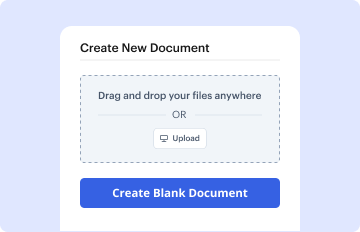
01. Start with a blank Small s corp Balance Sheet Template
Open the blank document in the editor, set the document view, and add extra pages if applicable.
02. Add and configure fillable fields
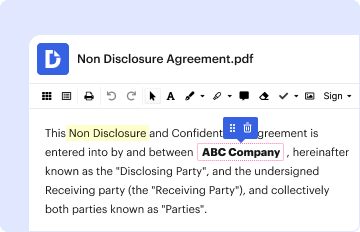
Use the top toolbar to insert fields like text and signature boxes, radio buttons, checkboxes, and more. Assign users to fields.
03. Distribute your form
Share your Small s corp Balance Sheet Template in seconds via email or a link. You can also download it, export it, or print it out.

A detailed walkthrough of how to craft your Small s corp Balance Sheet Template online
Form edit decoration

Step 1: Start with DocHub's free trial.

Navigate to the DocHub website and register for the free trial. This gives you access to every feature you’ll need to build your Small s corp Balance Sheet Template without any upfront cost.

Step 2: Navigate to your dashboard.

Sign in to your DocHub account and go to the dashboard.

Step 3: Craft a new document.

Hit New Document in your dashboard, and choose Create Blank Document to create your Small s corp Balance Sheet Template from the ground up.

Step 4: Utilize editing tools.

Add various elements such as text boxes, radio buttons, icons, signatures, etc. Organize these fields to match the layout of your document and assign them to recipients if needed.

Step 5: Modify the form layout.

Organize your document quickly by adding, moving, removing, or merging pages with just a few clicks.

Step 6: Create the Small s corp Balance Sheet Template template.

Transform your freshly crafted form into a template if you need to send multiple copies of the same document numerous times.

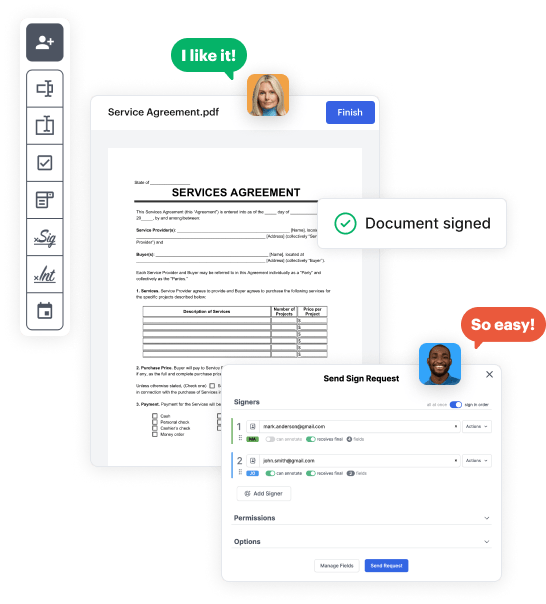
Step 7: Save, export, or distribute the form.

Send the form via email, distribute a public link, or even post it online if you aim to collect responses from more recipients.

be ready to get more

Build your Small s corp Balance Sheet Template in minutes

Start creating now

Got questions?

We have answers to the most popular questions from our customers. If you can't find an answer to your question, please contact us.
Contact us
If you open up Excel and then use the relevant keyword in the Search All Templates box, you should be able to find a basic template that will fit your needs. For example, Excel has an inbuilt profit and loss statement template, business expenses budget template, budget planner template, and more.
You can use pre-built Excel templates for time management, budgeting, project planning, and much more.
Here are the steps you can follow to create a basic balance sheet for your small business. Specify the Reporting Period. Identify Your Assets. Determine Your Liabilities. Determine Shareholders Equity. Add Total Shareholder Equity and Total Liability to Compare to Assets.
How to Create a Profit and Loss Statement in Excel Download, Open, and Save the Excel Template. Input Your Company and Statement Dates. Calculate Gross Profit. Input Sales Revenue to Calculate Gross Revenue. Input the Cost of Goods Sold (COGS) Calculate the Net Income. Input Your Business Expenses.
The Excel Balance Sheet Template easily integrates with Microsoft Office Suite, enabling you to import/export data effortlessly and collaborate with colleagues using familiar tools. You can also use Excels advanced analysis features, such as pivot tables and charts, to gain deeper insights into your financial data.
be ready to get more

Build your Small s corp Balance Sheet Template in minutes

Start creating now

Related Q&A to Small s corp Balance Sheet Template

At the close of the tax year, if your S corps total receipts and total assets amount to $250,000 or more, you are required by the IRS to complete the Schedule L section of the form. This will include a detailed summary of everything on the balance sheet.
Follow these steps: Step 1: Pick the balance sheet date. Step 2: List all of your assets. Step 3: Add up all of your assets. Step 4: Determine current liabilities. Step 5: Calculate long-term liabilities. Step 6: Add up liabilities. Step 7: Calculate owners equity. Step 8: Add up liabilities and owners equity.
Open a new Excel spreadsheet and label the columns and rows. In the first column, label the rows with Assets, Liabilities, and Equity. This creates the main sections of the balance sheet. Arrange the assets above liabilities and equity to maintain a standard format.

Additional resources on building your forms