Create your Farm minnesota Balance Sheet Template from scratch

Start Building Now
Title decoration

Here's how it works

01. Start with a blank Farm minnesota Balance Sheet Template
Open the blank document in the editor, set the document view, and add extra pages if applicable.
02. Add and configure fillable fields
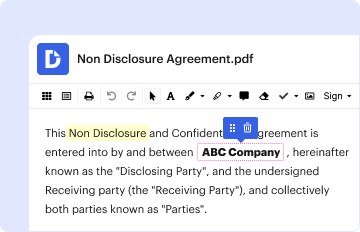
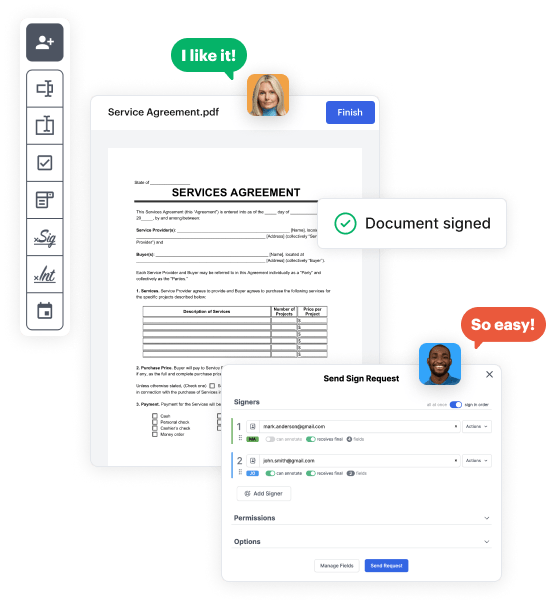
Use the top toolbar to insert fields like text and signature boxes, radio buttons, checkboxes, and more. Assign users to fields.
03. Distribute your form
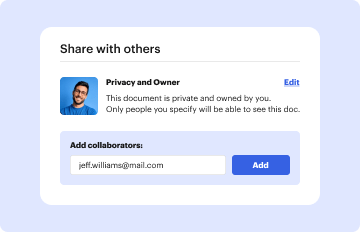
Share your Farm minnesota Balance Sheet Template in seconds via email or a link. You can also download it, export it, or print it out.

A detailed walkthrough of how to craft your Farm minnesota Balance Sheet Template online
Form edit decoration

Step 1: Start with DocHub's free trial.

Navigate to the DocHub website and sign up for the free trial. This provides access to every feature you’ll require to build your Farm minnesota Balance Sheet Template without any upfront cost.

Step 2: Access your dashboard.

Log in to your DocHub account and navigate to the dashboard.

Step 3: Craft a new document.

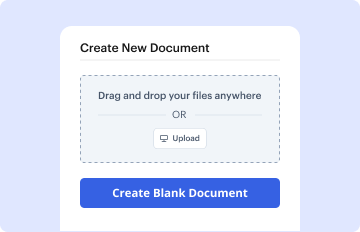
Hit New Document in your dashboard, and choose Create Blank Document to design your Farm minnesota Balance Sheet Template from scratch.

Step 4: Utilize editing tools.

Place different fields such as text boxes, radio buttons, icons, signatures, etc. Arrange these elements to suit the layout of your form and designate them to recipients if needed.

Step 5: Organize the form layout.

Organize your form easily by adding, repositioning, deleting, or merging pages with just a few clicks.

Step 6: Craft the Farm minnesota Balance Sheet Template template.

Convert your freshly crafted form into a template if you need to send multiple copies of the same document numerous times.

Step 7: Save, export, or distribute the form.

Send the form via email, distribute a public link, or even post it online if you aim to collect responses from more recipients.


be ready to get more

Build your Farm minnesota Balance Sheet Template in minutes

Start creating now

Got questions?

We have answers to the most popular questions from our customers. If you can't find an answer to your question, please contact us.
Contact us
The balance sheet is divided into two columns: assets on the left side and liabilities on the right side. The net worth will appear on the bottom-right side. The value of the assets will balance or equal the sum of the liabilities and net worth (owners equity).
Current Assets: Cash, prepaid expenses, supplies, market livestock, grain, feed, livestock inventory. Non-Current Assets: Breeding livestock, machinery and equipment, vehicles, buildings and improvements, land. Also include investments in finance leases, cooperatives, and other entities.
Owner equity, or net worth, is the owners share of the assets of the business and is a basic measure of the financial strength. The terms owner equity and net worth mean the same thing and are interchangeable.
Premises liability You may be held responsible if someone is injured or has property damaged because of the physical condition of your farm or ranch. A common example is a visitor who slips and falls on your property. One area of premises liability that deserves special consideration is agritourism.
Follow these steps: Step 1: Pick the balance sheet date. Step 2: List all of your assets. Step 3: Add up all of your assets. Step 4: Determine current liabilities. Step 5: Calculate long-term liabilities. Step 6: Add up liabilities. Step 7: Calculate owners equity. Step 8: Add up liabilities and owners equity.
be ready to get more

Build your Farm minnesota Balance Sheet Template in minutes

Start creating now

Related Q&A to Farm minnesota Balance Sheet Template

This easy-to-use template provides a clear and professional format for presenting your financial information. Simply customize the template to suit your specific needs and create a well-organized balance sheet in minutes. Download now and simplify your bookkeeping process!
Current Liabilities: Current liabilities are liabilities due within a year, such as accounts payable, the balance of the operating line, accrued taxes, the annual principal and interest due on term loans, credit card debt, and other current bills.
Long-Term assets assets that are permanent, or have a useful like of greater than 10 years. The most common example of this is farmland. However, long-term assets also include things like investments and land improvements. Current liabilities debts due within a year.

Additional resources on building your forms