
Create your Actual profit Balance Sheet Template from scratch

Start Building Now
Title decoration

Here's how it works

01. Start with a blank Actual profit Balance Sheet Template
Open the blank document in the editor, set the document view, and add extra pages if applicable.
02. Add and configure fillable fields
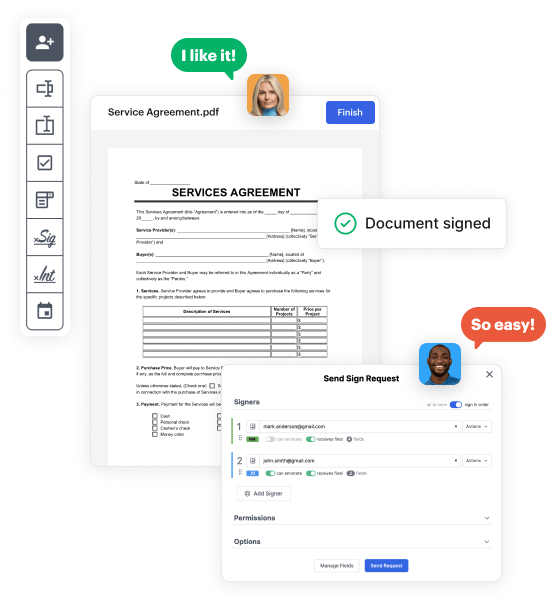
Use the top toolbar to insert fields like text and signature boxes, radio buttons, checkboxes, and more. Assign users to fields.
03. Distribute your form
Share your Actual profit Balance Sheet Template in seconds via email or a link. You can also download it, export it, or print it out.

Create Actual profit Balance Sheet Template from the ground up with these comprehensive guidelines

Form edit decoration

Step 1: Open DocHub and get going.

Begin by setting up a free DocHub account using any available sign-up method. Just log in if you already have one.

Step 2: Register for a 30-day free trial.

Try out the complete collection of DocHub's pro tools by registering for a free 30-day trial of the Pro plan and proceed to craft your Actual profit Balance Sheet Template.

Step 3: Build a new empty form.

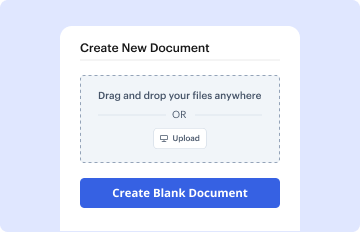
In your dashboard, click the New Document button > scroll down and hit Create Blank Document. You will be redirected to the editor.

Step 4: Organize the document’s view.

Use the Page Controls icon marked by the arrow to toggle between two page views and layouts for more convenience.

Step 5: Start adding fields to design the dynamic Actual profit Balance Sheet Template.

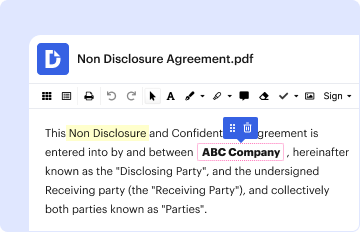
Use the top toolbar to add document fields. Add and format text boxes, the signature block (if applicable), insert images, etc.

Step 6: Prepare and customize the added fields.

Organize the fillable areas you added based on your chosen layout. Customize the size, font, and alignment to ensure the form is user-friendly and polished.

Step 7: Finalize and share your form.

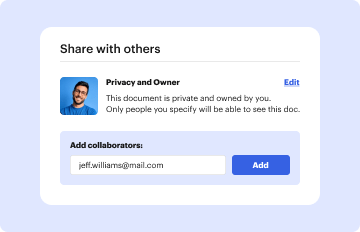
Save the ready-to-go copy in DocHub or in platforms like Google Drive or Dropbox, or craft a new Actual profit Balance Sheet Template. Send out your form via email or utilize a public link to reach more people.


be ready to get more

Build your Actual profit Balance Sheet Template in minutes

Start creating now

Got questions?

We have answers to the most popular questions from our customers. If you can't find an answer to your question, please contact us.
Contact us
When the selling price and the cost price of a product is given, the profit can be calculated using the formula, Profit = Selling Price - Cost Price. After this, the profit percentage formula that is used is, Profit percentage = (Profit/Cost Price) 100.
Any profits not paid out as dividends are shown in the retained profit column on the balance sheet. The amount shown as cash or at the bank under current assets on the balance sheet will be determined in part by the income and expenses recorded in the PL.
Follow these steps: Step 1: Pick the balance sheet date. Step 2: List all of your assets. Step 3: Add up all of your assets. Step 4: Determine current liabilities. Step 5: Calculate long-term liabilities. Step 6: Add up liabilities. Step 7: Calculate owners equity. Step 8: Add up liabilities and owners equity.
To show a profit on a graph, you can use a bar chart or a line chart, depending on the type of data you want to represent. To create a profit chart, you need to input your revenue, expenses, and net income data into a ready-made template with a chart type that best suits your needs.
How to calculate profit in Excel Open Microsoft Excel. If you already have a workbook with data, you can go to your saved files and open it in Microsoft Excel. Create a table. Fill the table with your available data. Input the profit formula. Input the profit margin formula in the final column.
be ready to get more

Build your Actual profit Balance Sheet Template in minutes

Start creating now

Related Q&A to Actual profit Balance Sheet Template

To calculate profit margin in Google Sheets, follow these steps: Enter the revenue and cost of goods sold in separate cells. Subtract the cost of goods sold from the revenue to get the profit. Divide the profit by the revenue to get the profit margin. Format the profit margin as a percentage.
How to Write a Profit and Loss Statement Step 1 Track Your Revenue. Step 2 Determine the Cost of Sales. Step 3 Figure Out Your Gross Profit. Step 4 Add Up Your Overhead. Step 5 Calculate Your Operating Income. Step 6 Adjust for Other Income and/or Expenses. Step 7 Net Profit: The Bottom Line.
Yes, there is a profit and loss template in Excel that you can use to create your own statement. The template includes formulas to calculate revenue, expenses, and net income. You can enter your own data to get started.

Additional resources on building your forms