
Journal apa Abstract Templates
Find and get Journal apa Abstract Templates for your academic workflows. Ensure consistency in your templates, effortlessly customize them, and distribute them with other contributors without sacrificing any pertinent data.

Create a new Journal apa Abstract Template
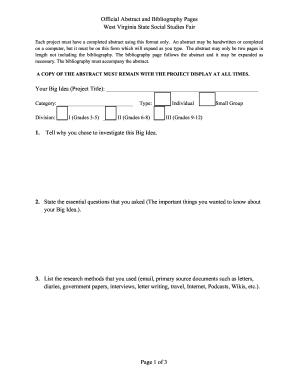
Bibliography pages form template
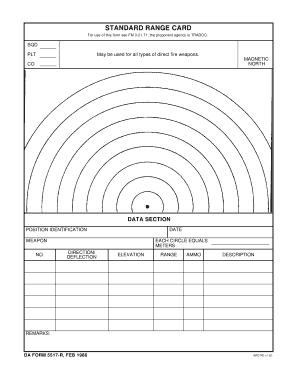
Da form 5517
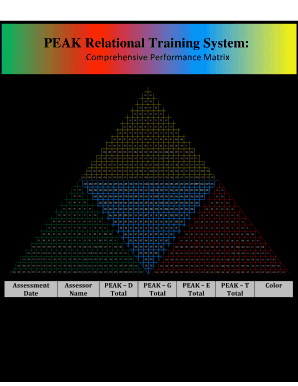
Peak assessment pdf
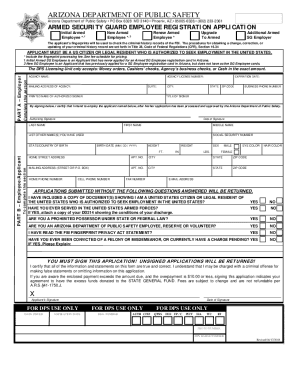
PDF Armed Security Guard Application - Arizona Department of Public ...
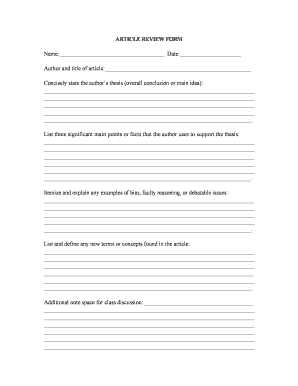
Article review template

SOUTH CAROLINA FORECLOSURE ABSTRACT - -CP- COUNTY:
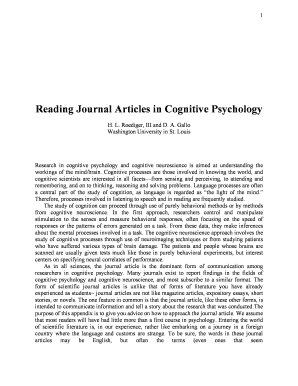
Reading Journal Articles in Cognitive Psychology
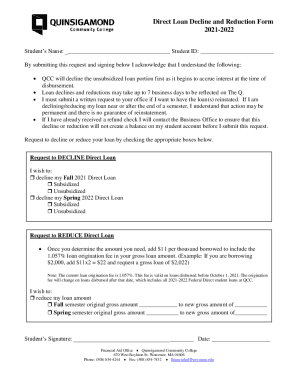
Direct Loan Decline and Reduction Form Summer 2021 - qcc
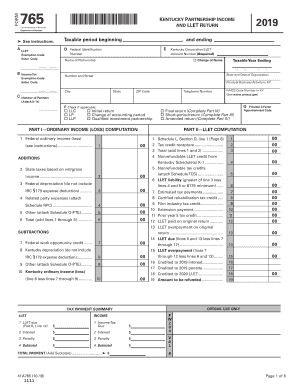
1500010263 - Kentucky Department of Revenue
Get and handle Journal apa Abstract Templates online
Boost your form managing with the Journal apa Abstract Templates library with ready-made document templates that suit your needs. Access the form, change it, complete it, and share it with your contributors without breaking a sweat. Start working more effectively with the forms.
The best way to manage our Journal apa Abstract Templates:
- Open our Journal apa Abstract Templates and search for the form you need.
- Preview your document to ensure it’s what you want, and click Get Form to start working on it.
- Change, add new text, or highlight important information with DocHub tools.
- Complete your form and save the changes.
- Download or share your document with other recipients.
Examine all the possibilities for your online file management using our Journal apa Abstract Templates. Get a free free DocHub profile today!
Video Guide on Journal apa Abstract Templates management

Commonly Asked Questions about Journal apa Abstract Templates
How do I create an abstract template?
SCIENTIFIC ABSTRACT TEMPLATE PROVIDE CONTEXT TO YOUR RESEARCH TOPIC. PROVIDE CONTEXT TO YOUR PARTICULAR STUDY. DESCRIBE THE SPECIFIC PROBLEM YOU SOLVE. STATE YOUR CENTRAL MESSAGE. SUMMARISE YOUR RESULTS. STATE THE BROAD PERSPECTIVE.
What is the ideal abstract format?
Structure of a Good Abstract Introduction: the goal of the study, crucial background. Methods: basic study design. Results: summary of major findings. Discussion: Interpretations, conclusions, broader implications, future research.
What is the layout of an abstract?
An abstract should be between 150 and 250 words. 1 Exact word counts vary from journal to journal. If you are writing your paper for a psychology course, your professor may have specific word requirements, so be sure to ask. The abstract should be written as only one paragraph with no indentation.
How to write a 250 word abstract?
How do you write an abstract that captures the main points of your paper in 250 words or less? Know the purpose and audience. Be the first to add your personal experience. Follow the structure and format. Use clear and concise language. Revise and edit your abstract. Get feedback and revise again. Heres what else to consider.
What is the format for an abstract template?
Abstract Format A one-page abstract should be prepared in the following format: (1) Use a sheet of A4 size paper. (2) Use 12 points Times New Roman for the main text and smaller fonts may be used for figure captions. (3) The width of each line should not exceed 17.5 cm or 7.0 inch.
Is there a template for APA 7th edition?
APA 7th Edition Template Download this 7th-edition template, and use it to format your APA-style Research Paper. Simply download and save a new copy of the document and paste the contents of your paper into the appropriate fields within the template. This version of the template includes the ABSTRACT page.
How should an APA abstract be formatted?
An APA abstract must be formatted as follows: Include the running head aligned to the left at the top of the page. On the first line, write the heading Abstract (centered and without any formatting) Do not indent any part of the text. Double space the text. Use Times New Roman font in 12 pt.
What is the format of an abstract?
An abstract summarizes, usually in one paragraph of 300 words or less, the major aspects of the entire paper in a prescribed sequence that includes: 1) the overall purpose of the study and the research problem(s) you investigated; 2) the basic design of the study; 3) major findings or trends found as a result of your
Related Templates

Application of british visa
The document is a visa application form for individuals traveling to the UK on official business. It outlines the necess ...

Co1 full form
The document is a 'Change of Circumstances' form for full-time students in the 2020/21 academic year, provided by Studen ...

Oregon dmv form 735512 application never template
The document is an application form for individuals who have not received their vehicle title or salvage title. It outli ...
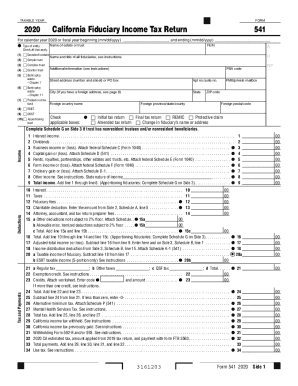
Ca tax itr download
The document is the California Fiduciary Income Tax Return Form 541 for the taxable year 2020. It is designed for estate ...
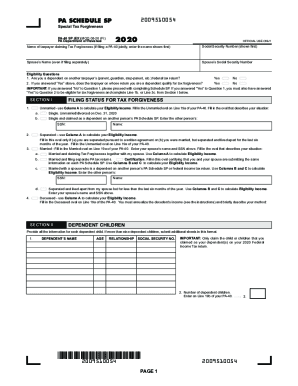
Pa revenue special tax forgiveness
The document is the PA-40 Schedule SP, a form used by Pennsylvania taxpayers to claim the Special Tax Forgiveness Credit ...

Alaska Form 6321i (Gas Storage Facility Tax Credit ...
The document provides instructions for Form 6322, which is used by partnerships to report tax due upon the early cessati ...
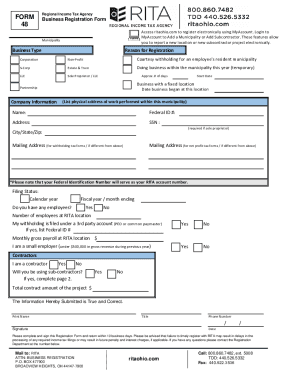
Rita information toll form
The document is a Business Registration Form from the Regional Income Tax Agency (RITA) for businesses operating in Ohio ...

Get And Sign Application To Sell Foreign Currency Cross ...
The document is an application form for selling foreign currency, detailing the necessary customer and transaction infor ...